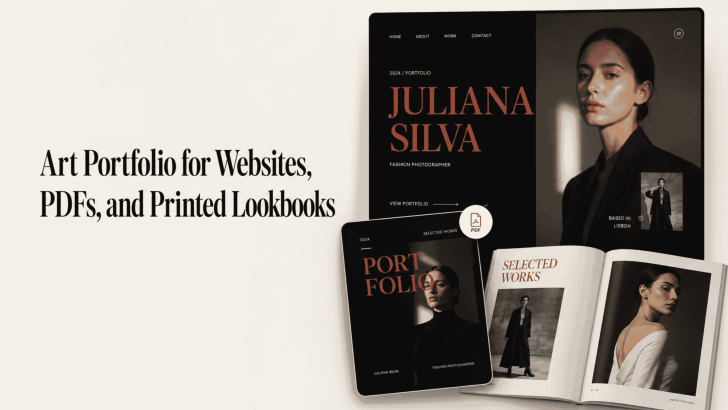
Creating an art portfolio for websites, PDFs, and printed lookbooks requires more than arranging attractive images on a page. Typography also affects how viewers understand your style, follow project descriptions, and remember your creative identity.
A website portfolio needs clear and responsive text. Meanwhile, a PDF must remain readable across different screen sizes, and a printed lookbook needs typography that works with paper, margins, and image composition. Therefore, choosing the right font can help your portfolio feel consistent, intentional, and professional.
Best Fonts for Art Portfolio Design
The following fonts can support different portfolio styles, from refined and minimal to expressive and artistic.
1. Casendro
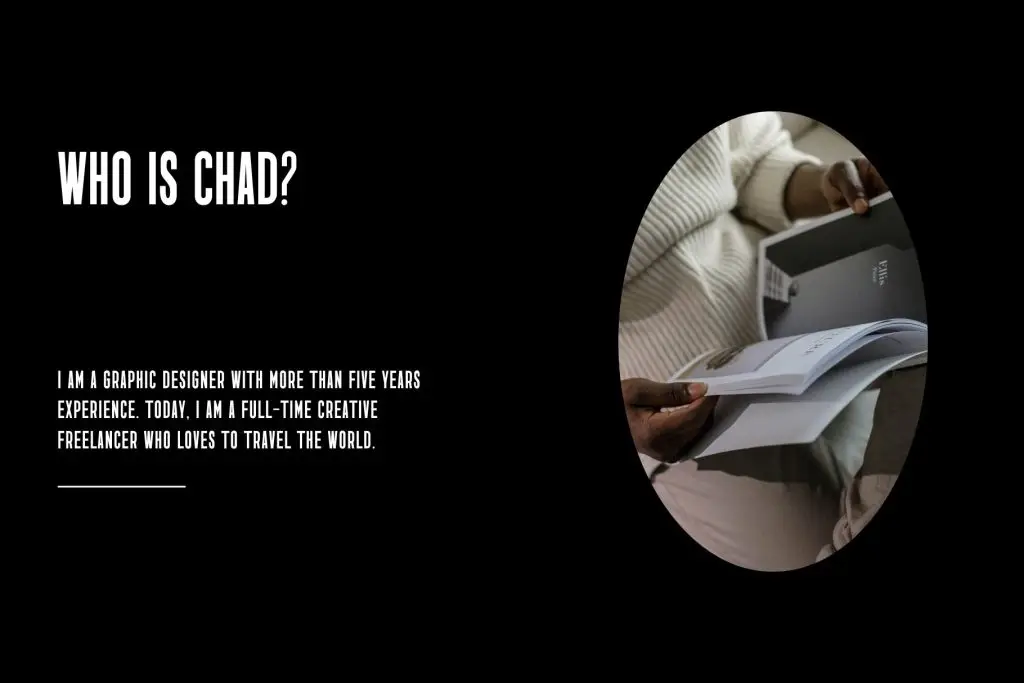
Casendro is a modern high sans serif font that gives portfolio designs a bold and polished appearance. Its condensed, all-caps structure helps project titles stand out without taking up too much space. Clean lines and geometric proportions make it ideal for portfolio covers, section headings, and personal branding. Casendro is a strong choice for creatives who want clarity, authority, and modern elegance.
2. Gafhote

Gafhote is a modern sans serif font that can elevate art and design portfolios with elegance and clarity. Its carefully crafted letters create a contemporary look with timeless sophistication. The clean, polished letterforms help portfolio titles and project headings stand out. At the same time, the font maintains strong readability across websites, PDFs, and printed lookbooks.
3. Gavoline
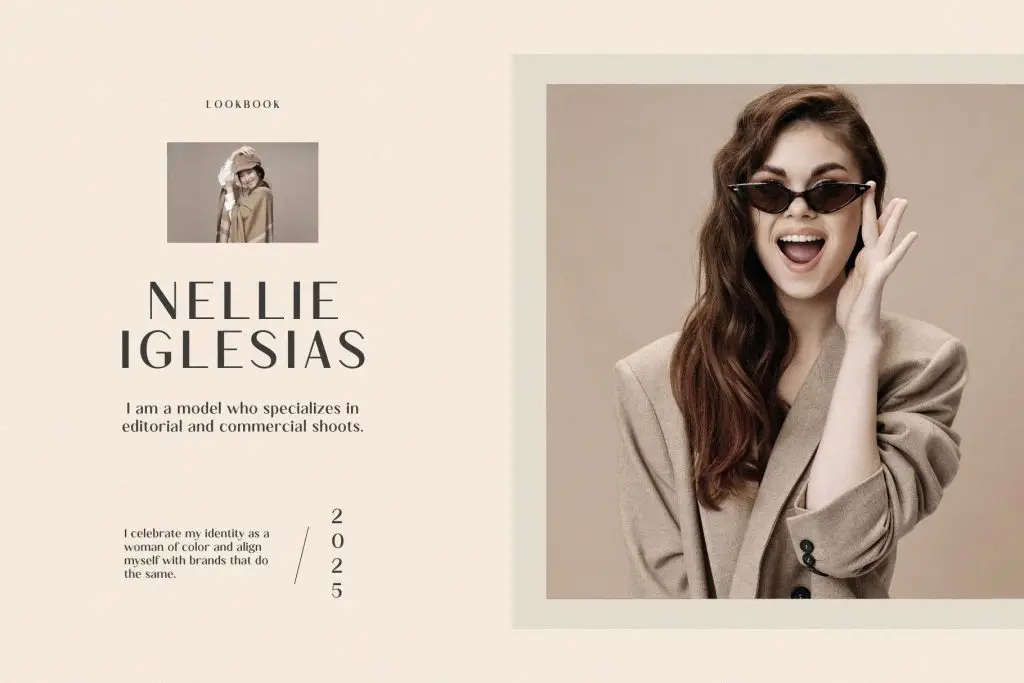
Gavoline is a modern sans serif font with an elegant and bold style. It adds sophistication and impact to portfolio titles, project pages, and personal branding. Its timeless and versatile look works well for both formal presentations and contemporary digital portfolios.
4. Yasmen
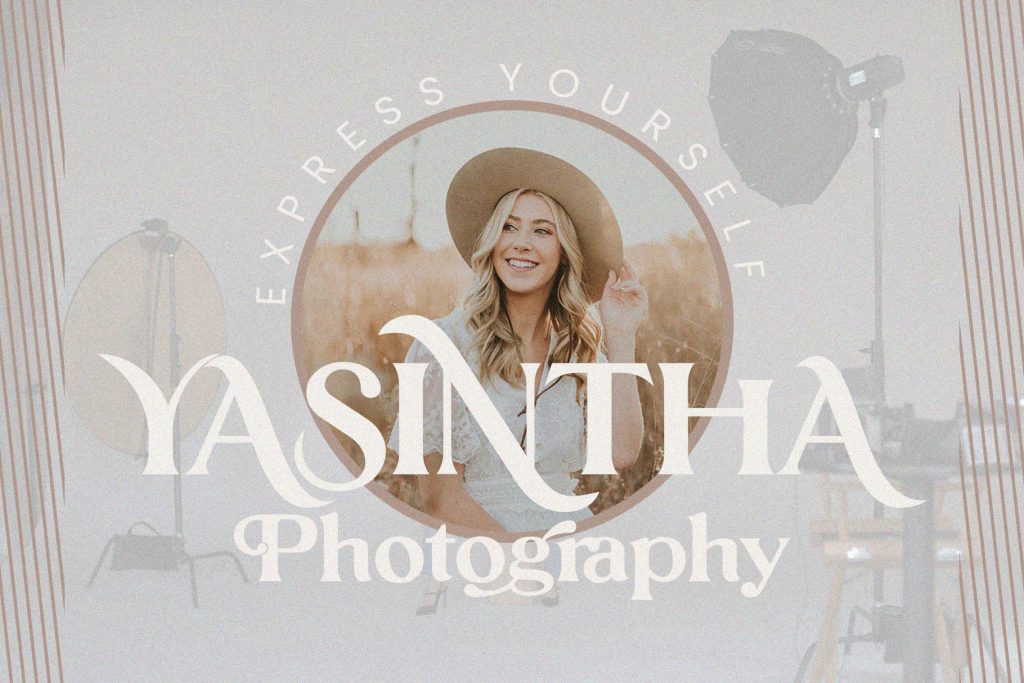
Yasmen is a modern ligature serif font that combines style with readability. It works beautifully for portfolio titles, short project descriptions, and promotional pages. Its refined aesthetic helps creative portfolios look more polished and professional.
5. Govers
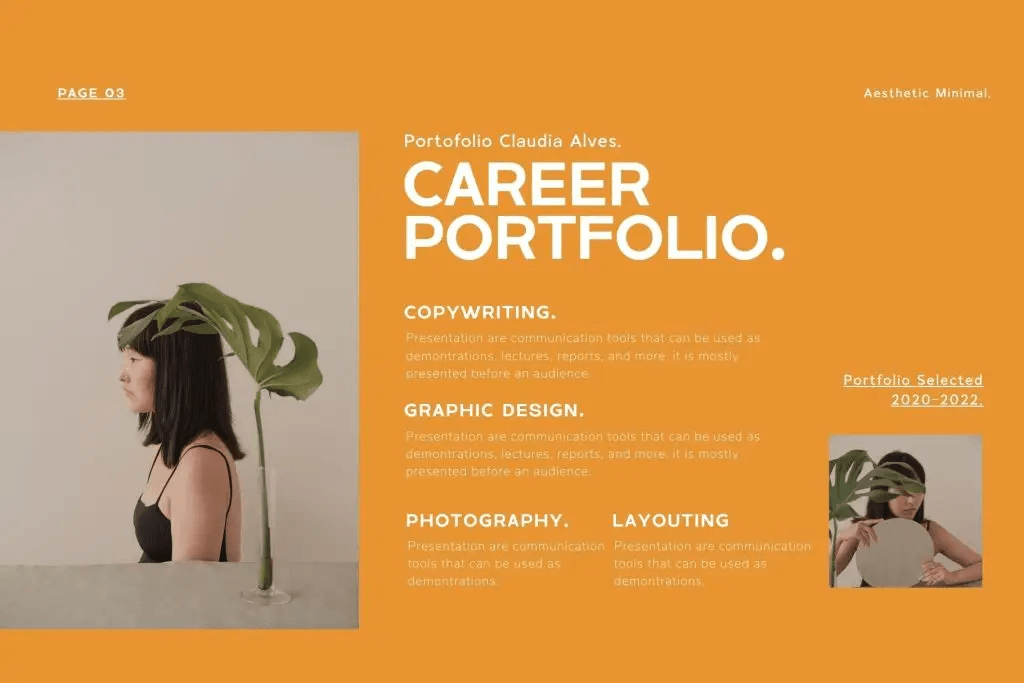
Govers is a modern sans serif font designed for clear and stylish portfolio layouts. Its clean lines, balanced spacing, and refined proportions create a sleek, contemporary look. It also keeps project titles and descriptions comfortable to read across websites, PDFs, and printed lookbooks.
6. Tuner
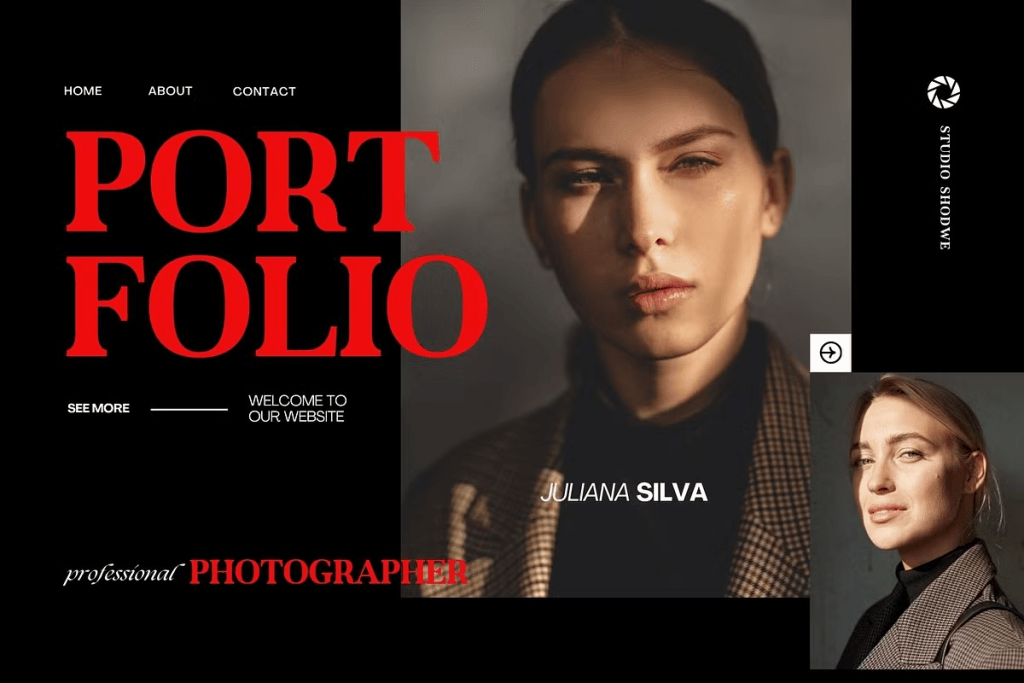
Tuner is a unique and elegant font for portfolio branding and personal logos. Its classy serif style gives portfolio layouts a modern and refined look.
7. Jacob’s

Jacob’s is a modern condensed sans serif font that gives art portfolios a sleek and sophisticated look. Its refined letterforms balance contemporary style with timeless elegance across digital and printed portfolio layouts.
8. Monna Kalingga
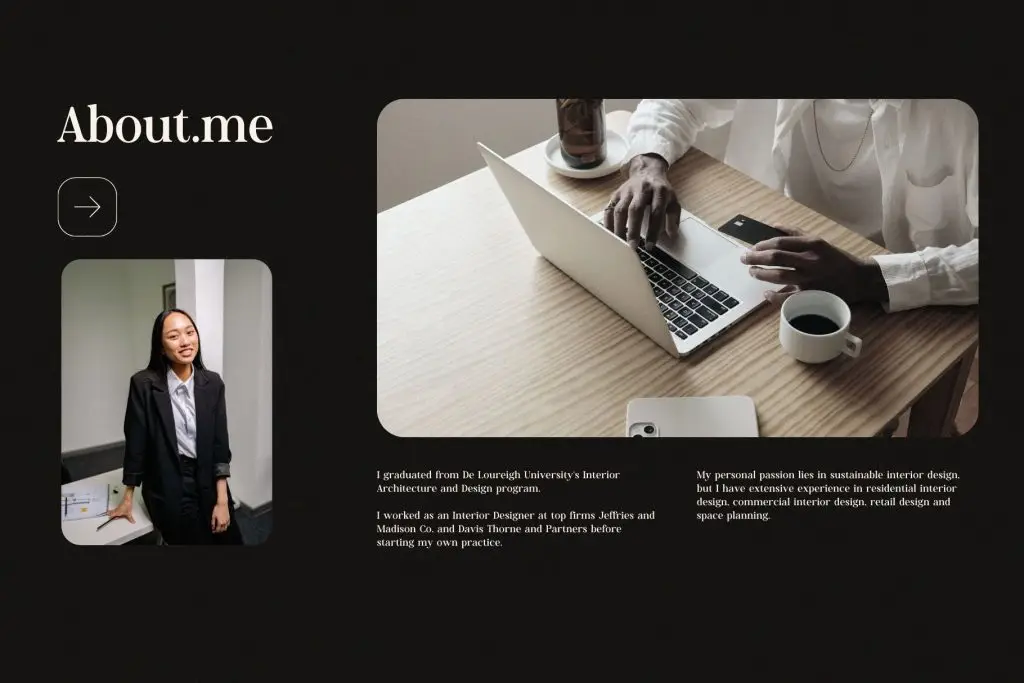
Discover Monna Kalingga, a decorative serif font crafted to elevate your creative projects. Its precise and elegant lettering, along with ligature and alternate features, gives you versatile options for every design.
9. The Cilla
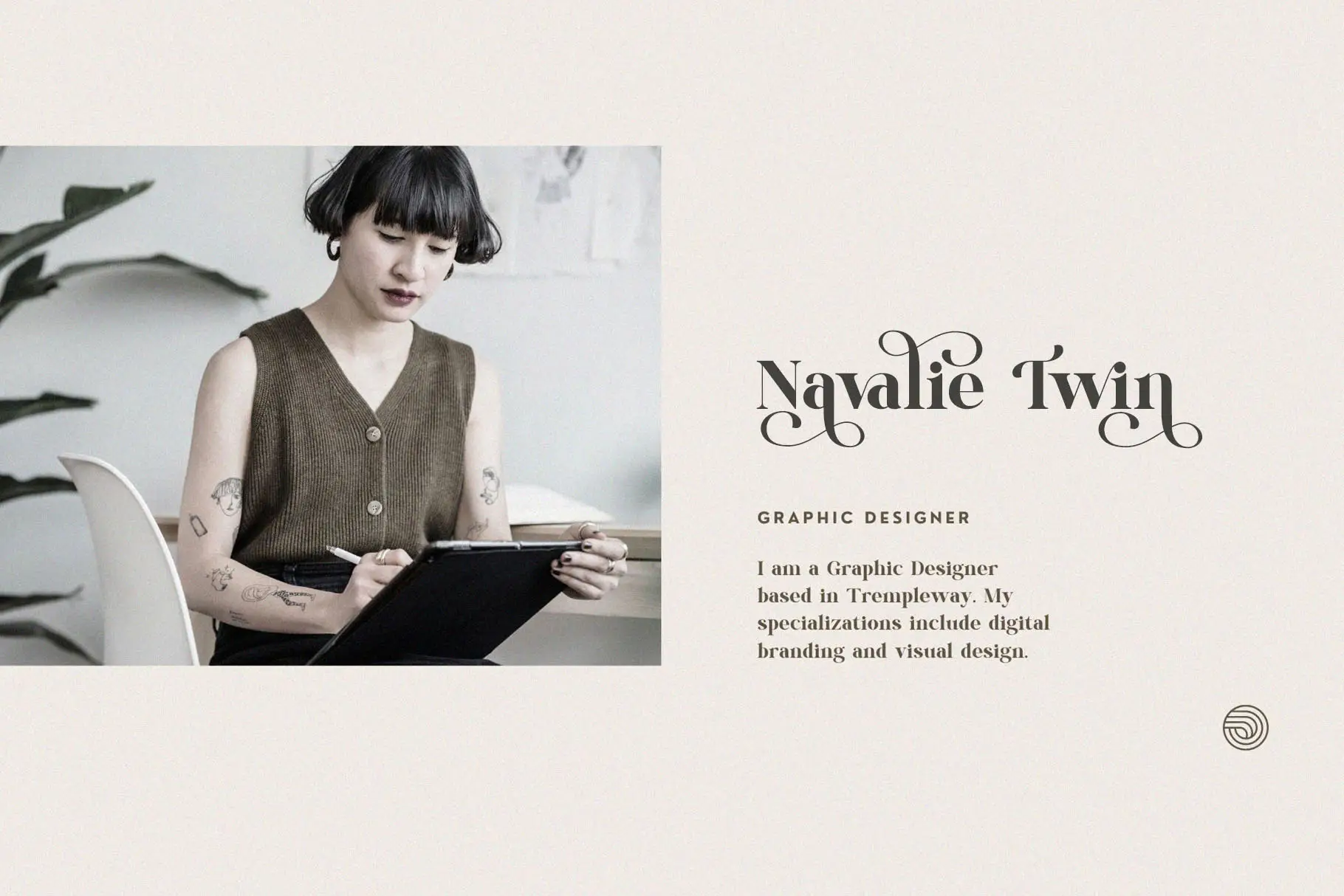
The Cilla is an elegant and bold serif font designed to captivate and inspire. With The Cilla, every design gains a touch of sophistication and boldness, making your creative projects stand out—whether for formal occasions or digital masterpieces.
10. Tracey Jodgey
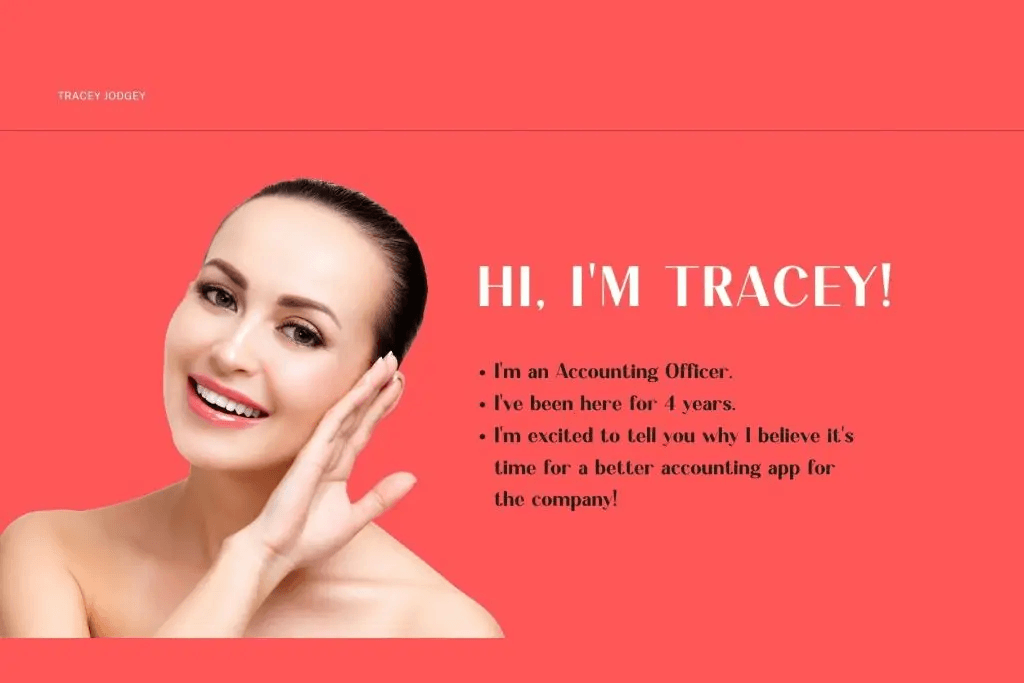
Tracey Jodgey is a modern sans serif font that brings elegance and contemporary style to portfolio designs.
How to Choose Fonts for Different Portfolio Formats
Each portfolio format has different technical and visual needs. A font should look attractive, but it must also remain functional.
Fonts for Portfolio Websites
Choose fonts that remain clear on desktop and mobile screens. Keep body text simple, use enough line spacing, and avoid decorative fonts for long paragraphs.
Fonts for Portfolio PDFs
Embed the selected fonts when exporting the document. This step helps preserve the original layout when the PDF is opened on another device.
Fonts for Printed Lookbooks
Always test the typography with a physical print sample. Check the font size, ink contrast, paper texture, and spacing before producing multiple copies.
Build a Consistent Portfolio Identity
A strong art portfolio uses typography consistently across every format. Keep the same heading style, font pairing, spacing system, and visual tone on your website, PDF, and printed lookbook.
Before finalizing your layout, review How to Make a Portfolio for Designers Using Custom Fonts for practical guidance on building a more personal and recognizable presentation. You can also explore Best Font for Website Design in 2026 to find typography ideas that improve readability and strengthen your online portfolio.
Choose a font that complements your artwork, test it across every format, and create a portfolio that feels as thoughtful as the projects inside it.
