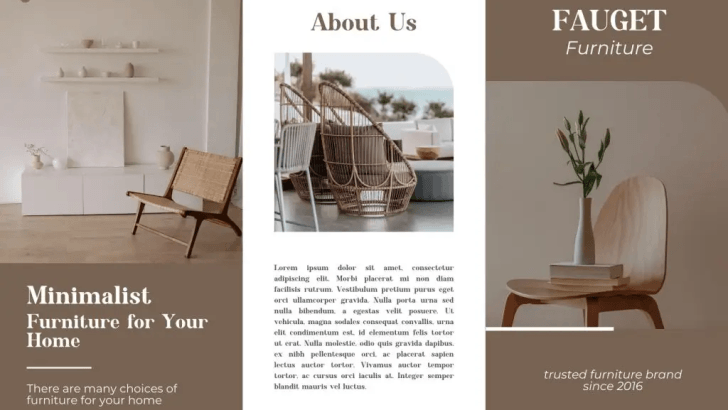
Typography interior branding is a powerful element that shapes how interior design businesses present their identity. While many people focus on colors, furniture, and layouts, typography often plays an equally important role in branding.
In interior design marketing, fonts communicate personality, style, and professionalism. The right typography can instantly make a brand look elegant, modern, or creative. Because of this, typography has become a critical tool for interior designers who want to build a strong visual identity.
Understanding how typography interior branding works can help designers create more consistent branding across websites, social media, and marketing materials.
In this article, we will explore how typography influences brand perception and why it is essential for interior design businesses.
Why Typography Interior Branding Matters
Typography is a core element of visual communication. For interior design brands, it helps convey design philosophy and aesthetic direction.
A carefully chosen font can make a brand appear modern, elegant, creative, or sophisticated. This is why typography plays a major role in branding for design studios and architecture firms.
Typography Creates the First Impression
When potential clients visit an interior design website or social media page, typography is one of the first visual elements they notice. Clean, elegant typography can instantly communicate professionalism and creativity. On the other hand, poorly chosen fonts may make a brand appear unprofessional or outdated.
Typography Reflects Design Style
Different typography styles communicate different interior aesthetics.
For example:
- Minimalist fonts suggest modern interior design
- Serif fonts often represent luxury or classic interiors
- Script fonts can communicate elegance or boutique styling
As a result, typography becomes a visual extension of the interior style itself.
The Role of Typography in Interior Design Branding
Strong typography interior branding supports multiple aspects of a brand’s identity and marketing. Typography is not only used in logos but also across websites, marketing materials, social media graphics, and presentations.
Logo Identity
Typography is often the foundation of an interior design brand logo. Many design studios rely on elegant or minimalist typography instead of complex symbols. Luxury interior brands often use serif fonts because they feel sophisticated and timeless. Meanwhile, modern interior brands tend to use clean sans-serif fonts that reflect simplicity and contemporary aesthetics.
Website Design
Typography heavily influences the user experience of a website. Interior design websites usually rely on large headings and elegant typography to create a premium feel. Clear typography also improves readability and guides visitors through the content.
Social Media Branding
Social media content is another area where typography plays a major role.
Interior designers often share:
- Design tips
- Portfolio highlights
- Before-and-after transformations
- Inspirational quotes
Using consistent typography helps maintain brand recognition across all social media platforms.
Types of Fonts Used in Typography Interior Branding
Different typography styles can create different branding effects for interior design businesses. Here are several popular font categories used in typography and interior branding.
Serif Fonts for Luxury Interior Brands
Serif fonts are widely associated with luxury and elegance. Many premium interior design firms use serif typography to communicate sophistication.
Serif fonts are commonly used in:
- High-end interior design studios
- Luxury furniture brands
- Architecture portfolios
These fonts give brands a refined and timeless appearance.
Sans Serif Fonts for Modern Interior Brands
Sans-serif fonts represent modernity and simplicity. They are widely used in minimalist interior design branding.
These fonts work well for brands that focus on:
- Modern homes
- Scandinavian interiors
- Contemporary design styles
Their clean appearance makes them easy to read across digital platforms.
Display Fonts for Creative Interior Branding
Display fonts are more expressive and decorative. Some interior design brands use display fonts to create a unique identity.
Display typography can be effective for:
- Boutique interior studios
- Creative design agencies
- Lifestyle interior brands
However, display fonts should be used carefully to maintain readability.
How to Choose Typography for Interior Branding
Selecting the right typography requires strategic thinking. The chosen font should align with the overall brand personality. Here are several tips for choosing the right typography.
1. Align Typography With Interior Style
Typography should visually reflect the brand’s design style.
For example:
- Minimal interiors → clean sans-serif fonts
- Luxury interiors → elegant serif fonts
- Creative interiors → expressive display fonts
This alignment helps strengthen brand consistency.
2. Maintain Typography Consistency
Consistency is essential in typography and interior branding. Using the same typography across logos, websites, social media posts, and presentations creates a cohesive visual identity. Brands that maintain consistent typography are easier to recognize and remember.
3. Use Typography Hierarchy
Typography hierarchy helps guide viewers through content.
For example:
- Large fonts for headlines
- Medium fonts for subheadings
- Smaller fonts for body text
This structure improves readability and user experience.
Typography and Interior Brand Storytelling
Typography can also support storytelling within a brand identity. Interior design is not only about aesthetics but also about emotions and lifestyle experiences. Typography helps express these feelings visually.
For example:
- Elegant fonts communicate luxury living
- Minimalist fonts represent calm and simplicity
- Creative fonts express artistic personality
By carefully selecting typography, brands can visually communicate their design philosophy.
Where Designers Can Find Fonts for Interior Branding
Interior designers and branding specialists often look for high-quality typography resources when building brand identities.
You can explore typography collections and design inspiration here:

Explore premium fonts for branding:
Font Kingdom
