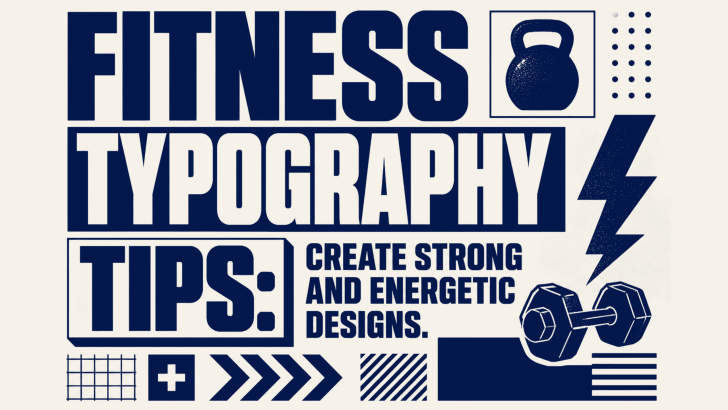
Understanding fitness typography tips is essential for designers who want to create bold, energetic, and motivating visuals. In the fitness industry, design is not just about aesthetics; it is about energy, movement, and strength. Typography plays a major role in delivering that message.
Whether you are designing gym posters, fitness apps, social media content, or branding materials, the right typography can inspire action. Therefore, choosing the right font style, layout, and hierarchy is crucial.
In this article, we will explore practical fitness typography tips to help you create strong and energetic designs.
Why Fitness Typography Tips Matter in Design
The importance of fitness typography tips lies in how they influence motivation and engagement. Fitness visuals need to grab attention quickly and communicate strength.
Good typography helps:
- Create a powerful first impression
- Motivate users to take action
- Improve readability
- Strengthen brand identity
Moreover, strong typography conveys energy and discipline, core values in fitness branding.
Characteristics of Fitness Typography
Before applying fitness typography tips, it is important to understand the characteristics of fitness-style fonts.
1. Bold and Strong Letterforms
Fitness typography often uses thick and heavy fonts. These fonts represent power and confidence.
2. Dynamic and Energetic Style
Many fitness fonts include slanted or extended shapes that suggest movement and speed.
3. High Contrast
Fitness designs often use a strong contrast between text and background to enhance visibility.
4. Clean and Modern Look
While bold, fitness typography still needs to be clear and readable.
Fitness Typography Tips for Creating Strong Designs
1. Use Bold Fonts for Headlines
Bold fonts are perfect for grabbing attention.
Examples of use:
- “NO PAIN NO GAIN”
- “TRAIN HARD”
- “PUSH YOUR LIMITS”
These headlines create emotional impact and motivate users.
2. Combine Bold and Simple Fonts
Pairing fonts is essential.
Example:
- Bold font → Headline
- Sans-serif font → Body text
This combination ensures both impact and readability.
3. Use Uppercase Text Strategically
Uppercase letters create a strong and commanding tone. However, avoid using them for long paragraphs because they can be hard to read.
4. Apply Proper Spacing
Spacing is important in fitness typography.
- Tight spacing → Intense and compact
- Slightly wider spacing → More readable
Therefore, balance is key.
5. Create Visual Hierarchy
Hierarchy helps guide the viewer.
Use:
- Large font → Main message
- Medium font → Supporting text
- Small font → Details
As a result, users can quickly understand the message.
Fitness Typography Tips for Layout and Composition
1. Use Center Alignment for Impact
Centered text works well for motivational posters and social media designs.
2. Experiment with Text Placement
Try placing text:
- Vertically
- Diagonally
- Layered over images
This creates dynamic compositions.
3. Use Background Contrast
Ensure text stands out by using contrasting colors such as:
- Black and white
- Red and black
- Yellow and dark tones
Fitness Typography Tips for Branding
1. Maintain Consistency
Use the same font styles across all platforms:
- Social media
- Website
- Merchandise
Consistency builds brand recognition.
2. Reflect Brand Personality
Choose fonts based on your brand identity:
- Hardcore gym → Bold and aggressive fonts
- Yoga studio → Clean and minimal fonts
- Fitness influencer → Modern and stylish fonts
3. Keep It Simple
Avoid overly decorative fonts. Simplicity ensures clarity.
How Fitness Typography Improves User Experience
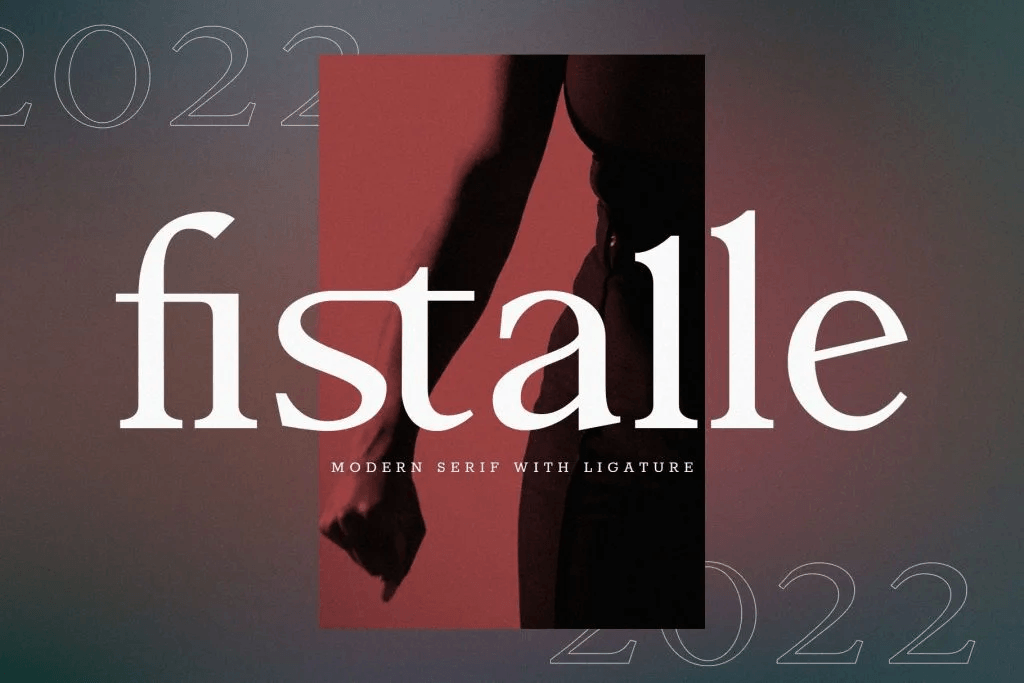
Good typography enhances user experience by making content:
- Easy to read
- Visually appealing
- Emotionally engaging
For example, bold typography motivates users, while clean layouts improve navigation. As a result, users are more likely to interact with your content.
To improve your design strategy, read our guide on typography tips for improving user experience and creating more effective visuals.
Conclusion
Applying the right fitness typography tips can transform your designs into powerful and energetic visuals. Typography is a key element in communicating strength, motivation, and movement.
Moreover, by using bold fonts, proper hierarchy, and strong contrast, designers can create impactful fitness designs. Always remember to balance style with readability to achieve the best results.
In the end, typography is not just about design; it is about inspiring action.
