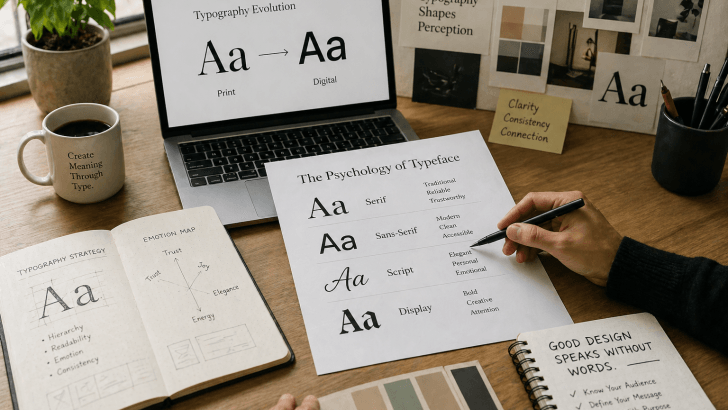
Understanding the psychology behind typeface selection is essential for designers who want to create impactful and meaningful visuals. Typography is not just about choosing a font that looks good; it is about selecting a typeface that communicates the right message and emotion.
Over time, typography has evolved significantly, especially from print to digital environments. As discussed in the evolution of typography, designers now must consider not only aesthetics but also usability, readability, and emotional impact across different platforms.
In this article, we will explore the psychology behind typeface selection, how fonts influence perception, and how modern design trends shape typography choices.
Why the Psychology Behind Typeface Selection Matters
The psychology behind typeface selection plays a critical role in how audiences interpret visual content. People often form opinions within seconds, and typography strongly influences those first impressions.
Typography helps:
- Convey brand personality
- Influence emotions
- Improve readability
- Guide user behavior
Moreover, in digital design, fonts must work across multiple devices. Therefore, designers need to balance emotional appeal with functionality.
The Evolution of Typography and Its Psychological Impact
To understand the psychology behind typeface selection, it is important to consider how typography has evolved.
From Print to Digital Typography
In traditional print design, typography focused on readability and structure. Fonts were designed for paper, where spacing and resolution were consistent.
However, in digital environments:
- Screens vary in size
- Content is consumed quickly
- User attention is limited
As a result, typography now plays a more dynamic role. Designers must choose fonts that are not only readable but also emotionally engaging.
Impact on User Behavior
Digital typography influences how users interact with content.
For example:
- Clear fonts → Faster reading
- Bold fonts → Strong attention
- Minimal fonts → Modern perception
Because of this shift, typeface selection has become more strategic.
To understand the historical context, read our guide, The Evolution of Typography: From Print to Digital, and see how design has changed over time.
Basic Typography Psychology in Graphic Design
The psychology behind typeface selection is rooted in how people associate fonts with emotions and meanings.
Serif Fonts: Trust and Tradition
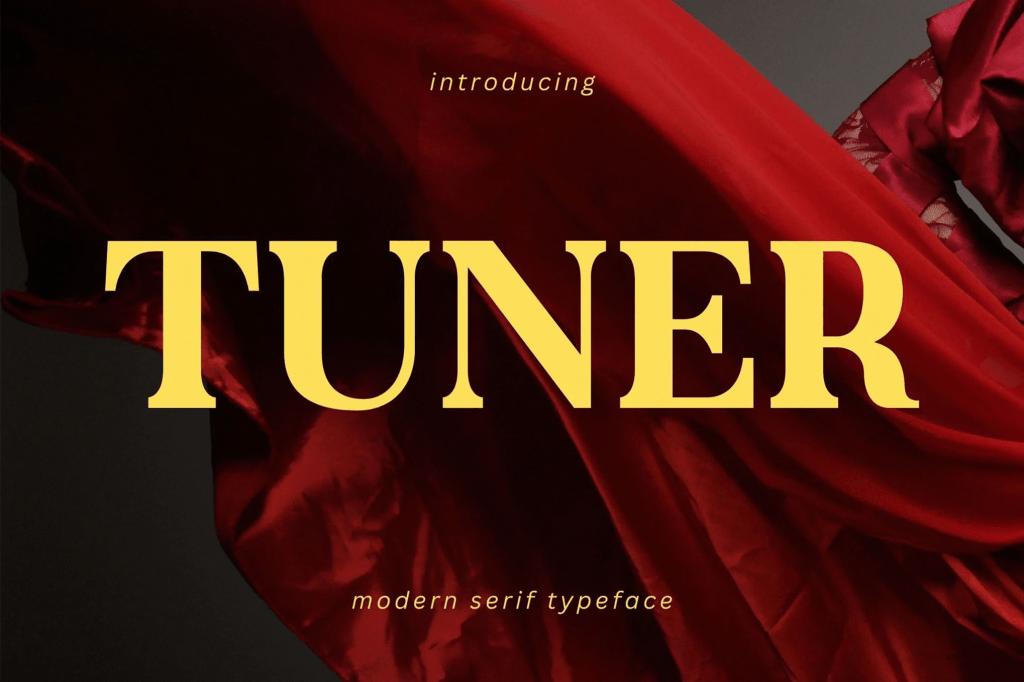
Serif fonts are often associated with:
- Reliability
- Professionalism
- Tradition
They are commonly used in:
- Editorial design
- Luxury branding
- Corporate identity
Sans-Serif Fonts: Modern and Clean
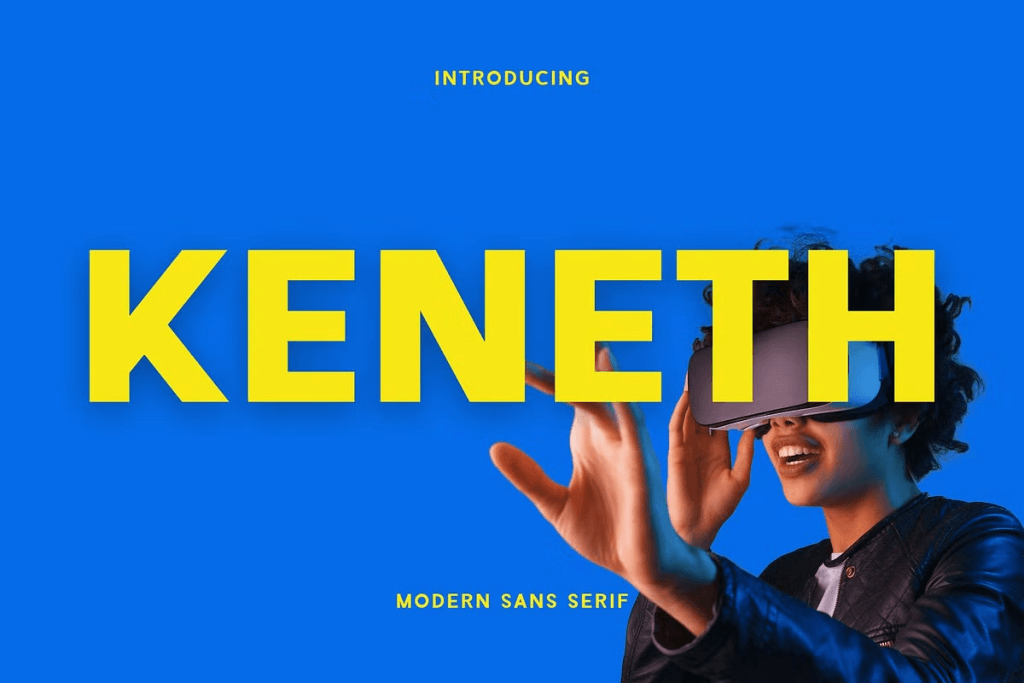
Sans-serif fonts feel:
- Simple
- Modern
- Accessible
They are widely used in digital interfaces because of their clarity.
Script Fonts: Emotion and Elegance
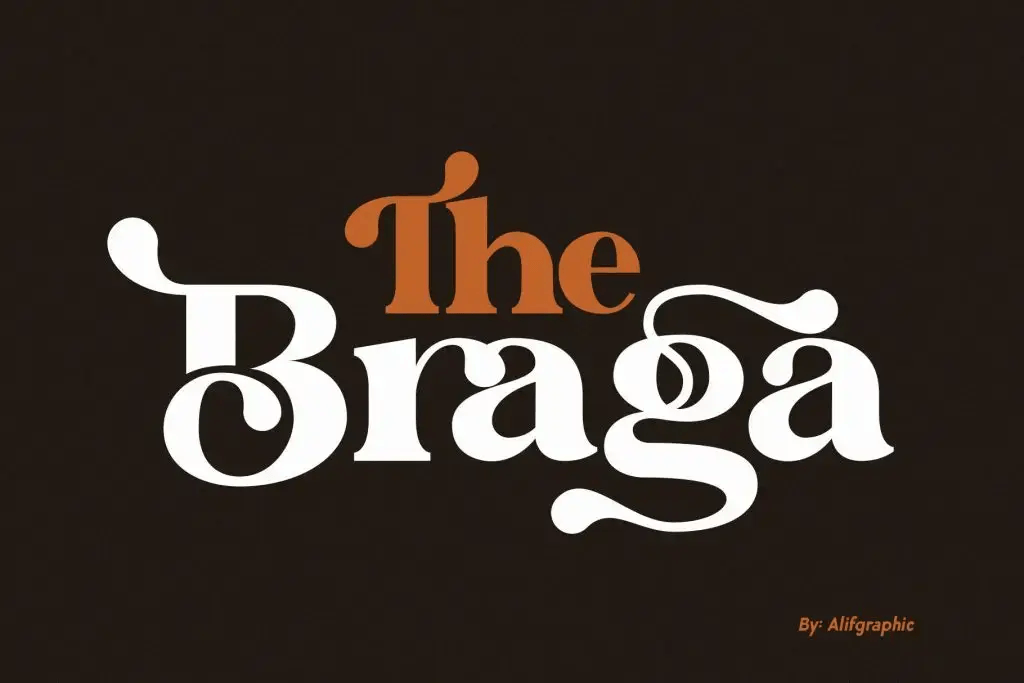
Script fonts convey:
- Romance
- Creativity
- Personal touch
They are often used in invitations, branding, and lifestyle design.
Display Fonts: Personality and Impact

Display fonts are expressive and unique.
They communicate:
- Creativity
- Boldness
- Attention
However, they should be used carefully to maintain readability.
How the Psychology Behind Typeface Selection Influences Branding
Typography is a core element of branding.
1. Creating Brand Identity
Fonts help define how a brand is perceived.
For example:
- Serif → Premium brand
- Sans-serif → Tech brand
- Script → Lifestyle brand
2. Building Emotional Connection
Typography influences emotions.
For example:
- Rounded fonts → Friendly
- Sharp fonts → Aggressive
- Thin fonts → Elegant
3. Enhancing Consistency
Consistent typography strengthens brand recognition across platforms.
How to Apply the Psychology Behind Typeface Selection
Applying the psychology behind typeface selection requires a strategic approach.
1. Understand Your Audience
Different audiences respond to different styles.
- Young audience → Playful fonts
- Professional audience → Clean fonts
2. Match Typography with Purpose
Always align fonts with your design goal.
- Informational → Clear fonts
- Emotional → Expressive fonts
3. Combine Fonts Carefully
Use 2–3 fonts:
- Primary → Branding
- Secondary → Headings
- Body → Content
4. Optimize for Digital Platforms
Fonts must be readable on:
- Mobile devices
- Tablets
- Desktop screens
The Future of Typeface Psychology in Design
The future of the psychology behind typeface selection is closely tied to digital innovation.
Emerging trends include:
- Variable fonts
- Responsive typography
- Personalized user experiences
- Interactive text design
As technology evolves, typography will continue to shape user interaction and emotional engagement.
Conclusion
Understanding the psychology behind typeface selection is essential for creating effective and meaningful graphic design. Typography influences perception, emotion, and user behavior.
Moreover, as typography evolves from print to digital, designers must adapt their strategies. By combining aesthetic choices with psychological understanding, designers can create visuals that are not only beautiful but also impactful.
In the end, typography is more than just text; it is a powerful communication tool.
