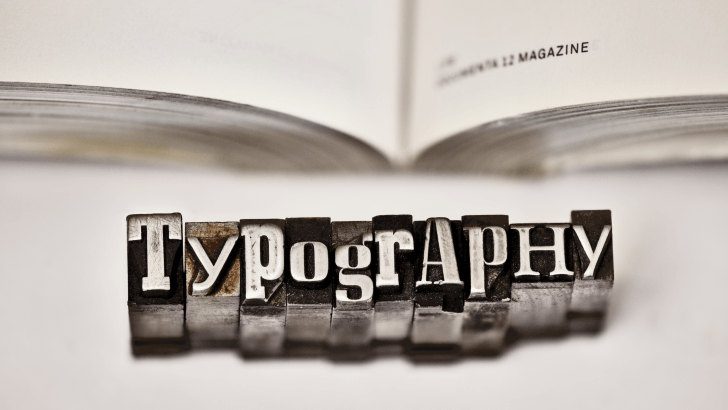
What is typography? Typography is the art and technique of arranging text so that written language becomes clear, readable, and visually appealing in both print and digital media. Every time you read a website, look at a logo, or open a book, typography quietly shapes your experience.
Understanding the typography definition helps designers and non-designers communicate messages more clearly through text and layout. This article explains what typography is, provides clear examples, and shows how typography is applied in real-world design.
What Is Typography?
Typography is the practice of selecting, arranging, and styling text to communicate a message effectively. It includes decisions about:
- Fonts and typefaces
- Font size and weight
- Spacing between letters and lines
- Alignment and layout
In simple terms, typography controls how text looks and feels.
Why Typography Matters
Typography affects both function and emotion. Well-designed typography:
- Improves readability
- Guides the reader’s attention
- Creates mood and personality
- Builds trust and clarity
Poor typography, on the other hand, can confuse readers or make content feel unprofessional.
If you want to explore how typography supports branding, you may also find this helpful: How Typography Impacts Your Brand’s GEO Strategy
Key Elements of Typography
Understanding typography starts with its core components.
1. Typefaces and Fonts
A typeface is the overall design of letters, while a font is a specific style within that typeface (such as bold or italic).
For example:
- Typeface: A serif or sans-serif family
- Font: Regular, bold, or italic version
2. Size, Weight, and Hierarchy
Typography uses size and weight to create hierarchy. Headlines are larger and bolder, while body text is smaller and lighter. This structure helps readers scan content easily.
3. Spacing and Alignment
Spacing includes:
- Letter spacing (tracking)
- Space between characters (kerning)
- Line spacing (leading)
Good spacing makes text comfortable to read and visually balanced.
Examples of Typography in Everyday Life
1. Typography in Print Media
Books, magazines, and newspapers rely heavily on typography. Serif fonts are commonly used for long reading, while headlines use stronger, more expressive type.
You can also explore how typography works in print branding here:
What Is Byline Typography? A Complete Guide for Designers
2. Typography in Digital Design
Websites and apps use typography to guide users. Clean, readable fonts help people navigate content smoothly and reduce eye strain.
For visual inspiration and real-world typography examples, many designers explore curated font collections on Font Kingdom’s Pinterest, where serif, sans-serif, script, and decorative typography styles are showcased in practical design contexts.
3. Typography in Logos and Branding
Logos depend on typography to express identity. A bold font can feel confident, while a soft font can feel friendly or elegant.
Typography in branding helps people recognize and remember a brand.
Different Types of Typography Styles
Typography comes in many styles, and each style carries its own personality, mood, and purpose. Understanding these different typography styles helps designers choose fonts that not only look good but also communicate the right message to the audience.
Serif Typography
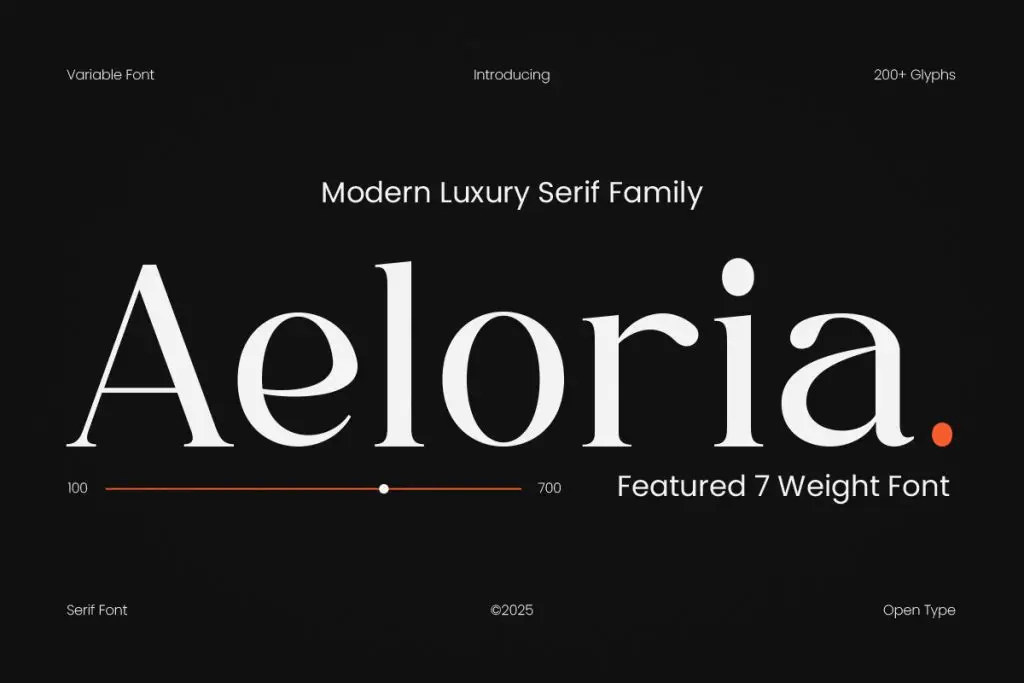
Serif fonts have small strokes at the ends of letters. They are often associated with:
- Tradition
- Authority
- Editorial design
Sans-Serif Typography
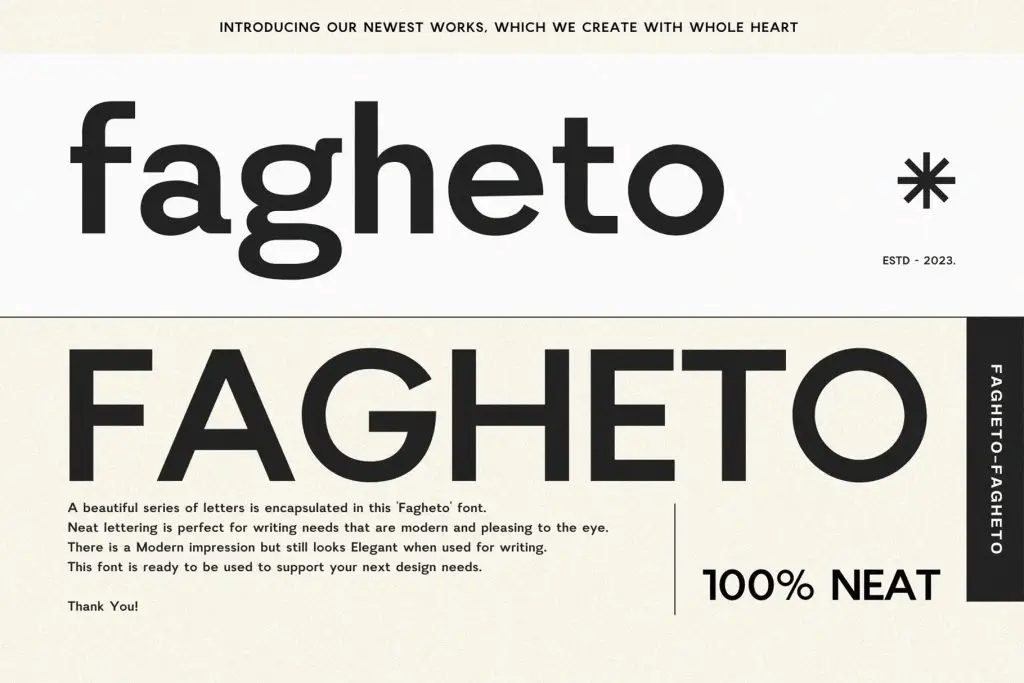
Sans-serif fonts have clean, simple shapes. They are widely used for:
- Websites
- Apps
- Modern brands
They feel clear, neutral, and contemporary.
Why Learning Typography Is Important
Typography skills help designers and non-designers alike communicate better.
Understanding typography allows you to:
- Improve visual clarity
- Strengthen brand identity
- Create more engaging content
Final Thoughts on Typography
So, what is typography? At its core, typography is about making words work visually. From basic readability to emotional storytelling, typography shapes how we experience written language every day.
By learning the definition of typography, readers can better recognize how text structure, spacing, and font choices influence visual communication.

4 Comments