
The evolution of typography shows how written communication has transformed from traditional print technology to modern digital design. Typography has played a crucial role in communication for centuries. From traditional printing presses to modern websites, the evolution of typography reflects the way technology and design have developed over time.
Today, typography is everywhere. It appears in books, magazines, branding, mobile apps, and websites. However, the fonts we see on screens today are the result of a long historical journey.
Understanding the evolution of typography helps designers, developers, and brands appreciate how typefaces shape visual communication. It also explains why modern digital typography focuses heavily on readability, performance, and user experience.
In this article, we will explore how typography evolved from early printing methods to modern digital design.
1. The Evolution of Typography in Early Print Design
The story of typography’s evolution begins with the invention of printing. Before printing presses existed, books were written and copied by hand. This process was slow, expensive, and limited in its access to knowledge.
A. The Gutenberg Printing Press
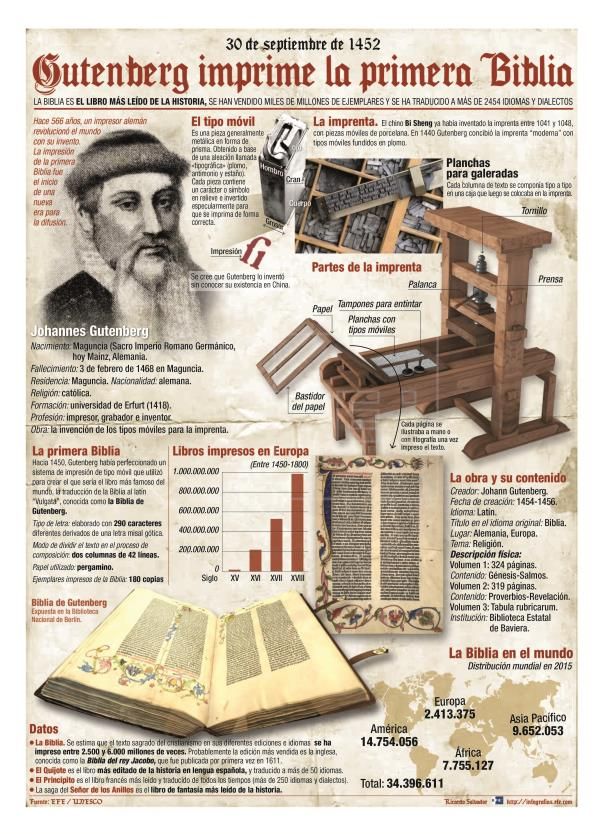
This infographic illustrates the historic moment when Johannes Gutenberg printed the first Bible in 1452, marking a major milestone in the evolution of typography and printing technology. The invention laid the foundation for modern publishing, typography, and the digital fonts used today.
Source: Pinterest
One of the most important milestones in the history of typography was the invention of the printing press by Johannes Gutenberg in the 15th century.
This invention introduced movable metal type, allowing printers to arrange letters and reuse them to print multiple pages efficiently.
Impact on typography
The printing press revolutionized communication by:
- Making books more affordable
- Increasing literacy
- Standardizing letterforms
The first typefaces used in printing were designed to imitate manuscripts.
B. Early Serif Typefaces
As printing spread across Europe, typographers began designing new typefaces. Many early fonts were serif typefaces, which included small strokes at the ends of letters.
Why serif fonts dominate print
Serif fonts were popular because:
- They improved readability in printed text
- They looked elegant and formal
- They worked well with ink and paper printing techniques
Classic typefaces such as Garamond and Baskerville became widely used in books and newspapers.
2. The Evolution of Typography During the Industrial Revolution
During the 19th century, typography changed dramatically as industries expanded and advertising became more common. This period marked an important phase in the evolution of typography.
A. The Rise of Display Fonts
Businesses needed typography that could attract attention in posters and advertisements. This demand led to the creation of display fonts, which were larger, bolder, and more decorative.
Uses of display fonts
Display fonts were commonly used for:
- Posters
- Newspaper advertisements
- Shop signs
- Marketing materials
These fonts introduced creativity and personality into typography.
B. The Birth of Sans-Serif Fonts
Another major development was the creation of sans-serif fonts. Unlike serif fonts, sans-serif typefaces remove the decorative strokes at the ends of letters.
Characteristics of early sans-serif fonts
Sans-serif fonts appeared:
- Simpler
- Cleaner
- More modern
Although they were initially controversial, sans-serif fonts eventually became widely accepted. Today, many modern websites use sans-serif fonts because they are easy to read on screens.
If you want to explore sans-serif fonts, you can read our guide here: Sans Serif Fonts: Complete Guide for Modern Designers
3. The Transition from Print to Digital Typography
The late 20th century introduced computers and digital publishing, transforming typography once again. This shift marked a major chapter in the evolution of typography.
A. Desktop Publishing Revolution
In the 1980s and 1990s, desktop publishing software allowed designers to create layouts digitally.
Programs such as:
- Adobe PageMaker
- QuarkXPress
- Adobe Illustrator
gave designers unprecedented control over typography.
Benefits of digital typography
Digital tools made it easier to:
- Design custom fonts
- Adjust spacing and alignment
- Experiment with typography styles
This democratized typography and made it accessible to more designers.
B. The Rise of Web Typography
When the internet became popular in the late 1990s and early 2000s, typography had to adapt again. Early websites had limited font choices because browsers supported only a few system fonts.
Common early web fonts included:
- Arial
- Times New Roman
- Verdana
- Georgia
These fonts were chosen mainly for screen readability.
4. The Evolution of Typography in the Digital Era
Today, digital typography is far more advanced than it was in the early days of the internet. The evolution of typography continues with new technologies and design approaches.
A. Web Fonts and Typography Freedom
Modern websites can use thousands of web fonts thanks to services such as:
- Google Fonts
- Adobe Fonts
These platforms allow designers to embed fonts directly into websites.
Advantages of web fonts
Web fonts allow brands to:
- Maintain consistent typography
- Improve visual identity
- Enhance website design
Typography has become a key element of modern web design.
B. Variable Fonts
One of the most exciting innovations in modern typography is variable fonts. Variable fonts allow multiple styles within a single font file.
Benefits of variable fonts
Variable fonts provide:
- Faster website performance
- Flexible design options
- Reduced file sizes
This technology is becoming increasingly popular in web design.
C. Typography and User Experience
Today, typography is closely connected to user experience (UX).
Designers must ensure fonts are:
- Easy to read on mobile devices
- Accessible for different users
- Optimized for fast loading
Modern typography focuses on balancing design, readability, and performance.
Why the Evolution of Typography Matters Today
Understanding the evolution of typography helps designers make better decisions when choosing fonts.
Typography affects many aspects of design, including:
- Readability
- Branding
- User experience
- Website performance
By studying how typography developed over time, designers can create more effective and meaningful visual communication.
Final Thoughts
The evolution of typography shows how design and technology influence each other. From early printing presses to modern web design, typography has constantly adapted to new tools and communication needs.
What started as metal letters arranged on a printing press has now become a sophisticated digital system used across websites, apps, and branding.
Today, typography is not only about aesthetics, but it is also about usability, accessibility, and digital performance.
As technology continues to evolve, typography will keep changing as well. Designers who understand this evolution will be better equipped to create designs that are both visually appealing and functional.
If you’re interested in exploring modern fonts for your projects, browse our curated collection on Pinterest.
