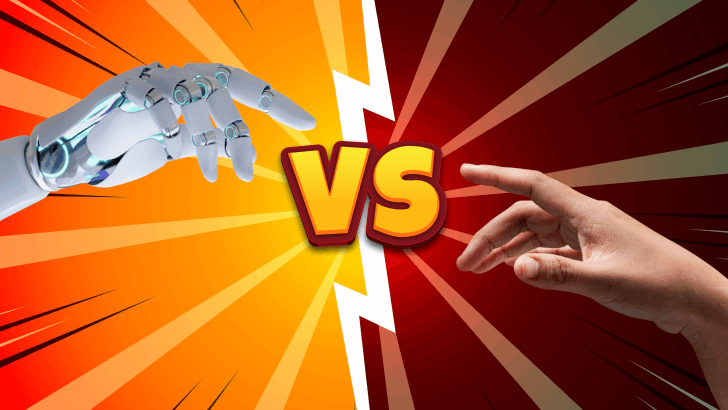
AI font design is rapidly changing how typefaces are created, refined, and distributed. At the same time, traditional font design methods built on craftsmanship, manual drawing, and typographic theory remain deeply respected in the design world. As technology evolves, designers are now faced with an important question: how does artificial intelligence compare to traditional font design methods?
This article explores the key differences between AI-driven font design and traditional approaches, explaining how each method works, its strengths and limitations, and when each is most appropriate in real-world design projects.
Understanding Traditional Font Design Methods
Before comparing the two approaches, it’s important to understand how traditional font design works.
How Traditional Font Design Works
Traditional font design is a manual and highly intentional process. Designers typically:
- Sketch letterforms by hand or digitally
- Refine shapes using vector tools
- Apply typographic principles such as kerning, spacing, and weight consistency
- Test fonts across different sizes and contexts
This process often takes months or even years to complete a full type family.
Strengths of Traditional Font Design
Traditional font design is valued for:
- Deep craftsmanship and attention to detail
- Strong conceptual thinking behind letterforms
- Cultural and historical awareness
- Unique personality and artistic expression
Many iconic typefaces were created using traditional methods, making this approach essential to typographic heritage.
What Is AI Font Design?
AI font design uses machine learning and algorithms to assist or automate parts of the font creation process.
To better understand how fonts are structured and designed, it helps to start with the fundamentals. You can read What Is Typography? Definition, Examples, and Practical Uses to explore the basic principles behind type design.
How AI Font Design Works
AI-powered tools analyze large datasets of existing fonts and learn patterns in letter shapes, spacing, and proportions. These systems can:
- Generate new font styles automatically
- Modify existing fonts based on prompts or parameters
- Speed up repetitive tasks such as spacing adjustments
In many cases, designers guide the AI rather than fully surrendering creative control.
Benefits of AI Font Design
AI font design offers several advantages:
- Faster production time
- Rapid experimentation with styles
- Lower entry barrier for non-experts
- Efficient generation of font variations
These benefits make AI particularly attractive for fast-paced digital projects.
AI vs Traditional Font Design: Key Differences
| Comparison | AI Font Design | Traditional Methods |
| Creativity and Artistic Control | AI can generate creative results, but it relies on existing data. While it can combine styles in unexpected ways, it does not possess human intuition or cultural context in the same way a designer does. In practice, AI creativity is strongest when guided by human designers. | Traditional font design allows designers to make intentional, nuanced decisions. Every curve and detail reflects the designer’s vision, often resulting in highly expressive and distinctive typefaces. |
| Speed and Efficiency | AI font design dramatically reduces production time. What once took weeks can now be explored in hours, making AI ideal for prototyping and rapid design cycles. | Traditional font design is slow by nature. Precision and refinement require time, testing, and iteration. |
| Quality and Consistency | AI-generated fonts can achieve impressive consistency, but they may struggle with: Optical corrections Complex scripts Cultural nuances Human review is still necessary to ensure quality standards. | Handcrafted fonts often excel in: Optical balance Consistent rhythm Subtle details that improve readability These qualities are especially important for professional and long-term use. |
| Learning Curve and Accessibility | AI tools lower the barrier to entry. Designers without deep typographic training can more easily experiment with font creation, expanding access to typography. | Learning traditional font design requires: Typographic knowledge Software expertise Significant time investment This can be challenging for beginners. |
| Cost and Resource Considerations | AI font design tools can reduce costs by automating repetitive work. However, high-quality results still benefit from professional oversight. | Traditional font design often involves: Long development timelines Professional expertise Higher production costs This makes it more suitable for premium or long-term projects. |
When to Use AI Font Design

AI font design works best when:
- Speed is a priority
- Prototyping new ideas
- Creating experimental or temporary fonts
- Supporting existing font families
It is especially useful in digital products and rapid branding projects.
When Traditional Font Design Is the Better Choice

Traditional methods remain ideal for:
- Custom brand typefaces
- Editorial and publishing fonts
- Long-term commercial use
- Projects requiring deep cultural sensitivity
These projects benefit from human judgment and experience.
Final Thoughts on AI vs Traditional Font Design
The debate between AI font design and traditional font design methods is not about choosing one over the other. Each approach has its strengths and limitations.
AI excels at speed, experimentation, and accessibility, while traditional font design offers depth, intention, and artistic integrity. By understanding how these methods differ, designers can choose the right approach or combination of approaches for each project.
Ultimately, the most successful font designs emerge when technology supports human creativity, not replaces it.
For visual inspiration and examples of modern font creation workflows, many designers explore curated typography references on Font Kingdom’s Pinterest, where both AI-generated and traditionally designed fonts are showcased.
