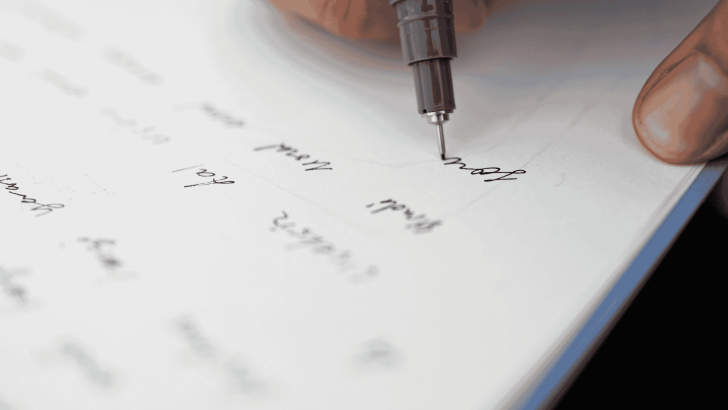
The comeback of handwritten fonts in modern design is one of the most exciting trends in today’s creative industry. As digital design becomes more polished and minimal, many designers are turning back to handwritten styles to bring warmth, personality, and authenticity into their work.
Handwritten fonts are no longer just decorative elements. They have become powerful tools for branding, storytelling, and emotional connection. From social media graphics to product packaging, these fonts are everywhere, and their popularity continues to grow.
In this article, we will explore why handwritten fonts are making a strong comeback, their characteristics, benefits, and how to use them effectively in modern design.
Why the Comeback of Handwritten Fonts in Modern Design Matters
The rise of handwritten typography is closely tied to changes in audience preferences. Today, people crave authenticity. They are drawn to designs that feel human, personal, and relatable.
The comeback of handwritten fonts in modern design reflects this shift. Unlike clean digital fonts, handwritten styles feel imperfect, and that’s exactly what makes them appealing.
Here’s why they matter:
- They create a personal and emotional connection
- They stand out in a world of uniform digital design
- They add uniqueness to branding
- They make designs feel more approachable
In a crowded digital space, handwritten fonts help brands feel more “real.”
Characteristics of Handwritten Fonts in Modern Design
To understand the comeback of handwritten fonts in modern design, it’s important to recognize their key characteristics.
1. Natural and Organic Shapes
Handwritten fonts mimic real handwriting. Letters are not perfectly aligned, which creates a natural and organic look.
2. Imperfect Yet Authentic
Unlike geometric fonts, handwritten styles embrace imperfections. These small irregularities make them feel genuine.
3. Expressive and Emotional
Handwritten typography often reflects emotion—playful, elegant, bold, or casual—depending on the style.
4. Versatile Styles
From brush scripts to casual handwriting, many variations of handwritten fonts suit different design needs.
If you are interested in handwritten fonts, you can read this article: Handwritten Fonts: When and How to Use Them in Graphic Design.
The Comeback of Handwritten Fonts in Branding

One of the biggest reasons behind the comeback of handwritten fonts in modern design is their impact on branding.
Creating a Human Connection
Brands today want to feel more personal. Handwritten fonts help create a friendly and relatable identity.
Building Authenticity
Consumers trust brands that feel genuine. Handwritten typography gives the impression of honesty and craftsmanship.
Standing Out from Competitors
In a market full of clean and minimal designs, handwritten fonts offer a unique visual identity.
They are widely used in:
- Food and beverage packaging
- Creative businesses
- Personal brands
- Social media marketing
Benefits of Using Handwritten Fonts in Modern Design
There are several reasons why designers love handwritten fonts.
1. Adds Personality
Handwritten fonts give designs a distinct voice and character.
2. Enhances Visual Interest
They break the monotony of standard typography and make designs more engaging.
3. Improves Emotional Appeal
These fonts can evoke warmth, friendliness, and creativity.
4. Flexible for Different Styles
Whether you want something elegant or playful, there is a handwritten font for every purpose.
How to Use Handwritten Fonts in Modern Design
Using handwritten fonts effectively requires a strategy. Here are some practical tips.
1. Use Handwritten Fonts for Headlines
Handwritten fonts work best for titles, quotes, or short phrases. They attract attention and create a focal point. Avoid using them for long paragraphs, as they may reduce readability.
2. Pair with Clean Fonts
A popular technique is combining handwritten fonts with simple sans-serif fonts.
Example:
- Handwritten font → headline
- Sans-serif font → body text
This combination keeps the design balanced and easy to read.
3. Match the Brand Personality
Make sure the handwritten font matches your brand identity.
- Elegant script → luxury or beauty brands
- Casual handwriting → lifestyle or personal brands
- Brush style → bold and creative brands
4. Use Consistently
Consistency is key in design. Use the same handwritten font across your branding materials to create a cohesive look.
5. Test Across Platforms
Ensure your font works well on:
- Websites
- Social media
- Print materials
This helps maintain a consistent brand image everywhere.
The Comeback of Handwritten Fonts in Modern Design Trends
The comeback of handwritten fonts in modern design is also driven by current design trends.
Minimalism Meets Personalization
Modern design often combines clean layouts with expressive typography. Handwritten fonts add personality without overwhelming the design.
Rise of Social Media Content
Handwritten fonts are widely used in Instagram posts, quotes, and digital marketing visuals.
Demand for Unique Branding
Brands are moving away from generic templates and looking for distinctive visual identities.
Conclusion
The comeback of handwritten fonts in modern design shows how important the human connection has become in visual communication. In a digital world filled with perfect and uniform designs, handwritten typography brings back warmth, personality, and authenticity.
By understanding their characteristics and using them strategically, designers can create visuals that are not only beautiful but also meaningful.
Handwritten fonts are more than just a trend; they are a powerful tool for storytelling and branding in modern design.
