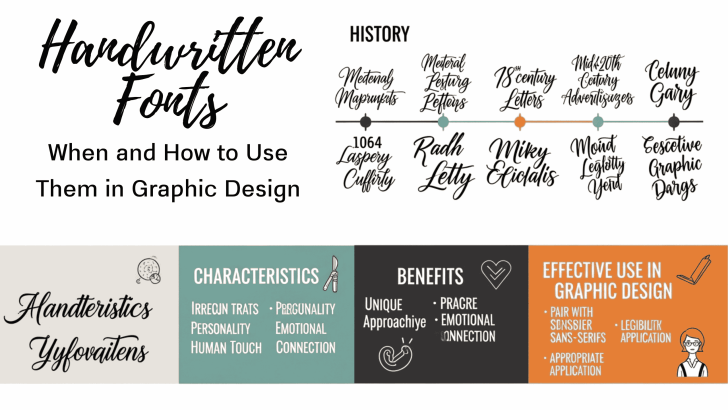
Typography plays an important role in visual communication. Designers carefully choose fonts to express mood, personality, and clarity in a design. Among the many font styles available today, handwritten fonts remain among the most expressive and personal.
Handwritten fonts can make designs feel friendly, natural, and authentic. They are commonly used in branding, invitations, posters, packaging, and social media graphics. However, using them correctly requires understanding their characteristics and appropriate contexts.
In this article, we will explore the meaning of handwritten fonts, their history, their main characteristics, benefits, and practical tips on how to use them effectively in graphic design.
What Are Handwritten Fonts?
Handwritten fonts are typefaces designed to imitate natural human handwriting. These fonts replicate the irregular strokes, curves, and personal touch of handwritten writing.
Unlike traditional fonts that are structured and perfectly balanced, handwritten fonts intentionally include imperfections. These small irregularities make the text look more organic and expressive.
Many handwritten fonts fall into the script or casual typography category, where letters may be connected or slightly uneven to simulate handwriting flow.
Because of their natural appearance, handwritten fonts often communicate:
- Creativity
- Friendliness
- Authenticity
- Informality
This is why designers frequently use them to create a warm personal design style.
The History of Handwritten Typography
Early Writing and Hand Lettering
The roots of handwritten typography go back thousands of years. Long before digital fonts existed, people wrote texts manually using brushes, quills, or pens on surfaces like papyrus, parchment, or paper.
In ancient civilizations, writing was purely handwritten. Scribes carefully crafted letters, often turning writing into a form of art known as calligraphy.
Handwritten Influence on Early Printing
When printing technology appeared in the 15th century, early typefaces were heavily inspired by manuscripts. Gutenberg’s first printed fonts were designed to imitate the handwriting style of the time.
Even as typography evolved into modern digital typefaces, designers continued to recreate handwritten styles as fonts.
Modern Digital Handwritten Fonts
Today, handwritten fonts are created digitally but still mimic the natural movement of pen or brush strokes. Designers often draw the letters manually before converting them into digital font files.
Because of this process, handwritten fonts preserve the emotional and artistic quality of traditional lettering.
Characteristics of Handwritten Fonts
1. Natural and Imperfect Letterforms
Unlike geometric fonts, handwritten fonts often have irregular shapes, varying stroke widths, and subtle imperfections. These variations help simulate authentic handwriting.
2. Personal and Expressive Style
Handwritten typography feels more personal than standard fonts. It often looks like a note written by hand rather than a computer-generated text.
3. Flowing or Connected Letters
Many handwritten fonts feature connected letters or flowing strokes, especially in script styles. This creates a natural writing rhythm, similar to cursive.
4. Casual and Friendly Appearance
Handwritten fonts usually convey a relaxed tone. Designers often use them to make designs feel more approachable and human.
Benefits of Using Handwritten Fonts in Graphic Design
1. Creates a Personal Connection
Handwritten typography often feels more human and relatable. It can make brands appear friendly and authentic.
This is especially useful for:
- Small businesses
- Handmade product brands
- Personal blogs
- Creative portfolios
2. Adds Personality to Designs
Every handwritten font has its own style and character. Some look playful, while others feel elegant or artistic. This variety allows designers to match typography to a project’s emotional tone.
3. Makes Headlines Stand Out
Handwritten fonts naturally attract attention because they look different from standard fonts. They can create a strong visual focal point in a layout.
4. Enhances Creative Branding
Many brands use handwritten fonts in logos, packaging, or marketing materials to emphasize creativity and uniqueness.
When to Use Handwritten Fonts in Graphic Design
Branding and Logos
Handwritten typography works well for brands that want to appear:
- Friendly
- Handmade
- Creative
- Authentic
Examples include cafés, bakeries, craft stores, and lifestyle brands.
Posters and Social Media Graphics

Handwritten fonts are excellent for attention-grabbing headlines in posters, Instagram graphics, and promotional banners. They create a casual and artistic vibe that feels modern and engaging.
Invitations and Event Designs
Wedding invitations, birthday cards, and event posters often use handwritten fonts to add elegance or playfulness.
Packaging Design
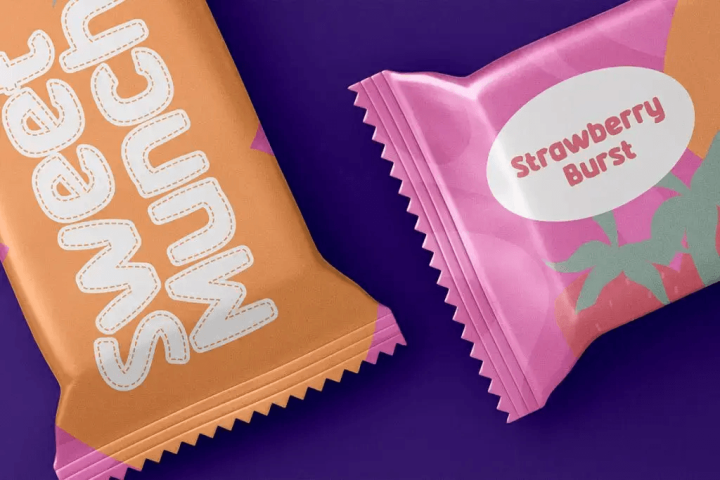
Handwritten typography can make product packaging feel more personal and artisanal. Many food brands use handwritten fonts to emphasize handmade quality.
How to Use Handwritten Fonts Effectively
1. Use Them for Headlines
Handwritten fonts work best for titles, quotes, or short phrases. Avoid using them for long paragraphs because they may reduce readability.
2. Pair with Simple Fonts
A common design technique is combining handwritten fonts with clean fonts like sans-serif.
For example:
- Handwritten font → headline
- Sans-serif font → body text
This combination keeps the design readable while still expressive.
3. Match the Design Mood
Choose a handwritten font that fits the theme of your project.
Examples:
Playful fonts → children’s designs
Elegant scripts → wedding invitations
Bold brush fonts → posters and branding
4. Avoid Overuse
Too many handwritten fonts can make a design look messy. Use one main handwritten font and combine it with simpler typography.
5. Pay Attention to Readability
Always ensure that the text remains easy to read, especially on small screens or printed materials.
Conclusion
Handwritten fonts are a unique and expressive typography style that can bring warmth, creativity, and personality to graphic design. Inspired by natural handwriting, these fonts replicate the irregular strokes and organic shapes of hand lettering.
From their historical roots in manuscripts to modern digital design, handwritten fonts continue to play an important role in visual communication. When used correctly, they can enhance branding, highlight headlines, and create memorable designs.
However, designers should use handwritten fonts carefully. Pairing them with clean fonts, using them primarily for titles, and matching them with the right design context will ensure the best results.
By understanding when and how to use handwritten fonts in graphic design, designers can create visuals that are not only beautiful but also meaningful and engaging.

2 Comments