
A serif font is one of the most traditional and widely used type styles in typography. You’ll recognize it by the small strokes or lines attached to the ends of letters. These subtle details may seem minor, but they play a major role in how text looks, feels, and reads.
From classic books and newspapers to modern branding and editorial design, serif fonts remain relevant today. In this article, we’ll explore what a serif font is, its historical background, defining features, and real-world examples to help you understand when and why serif typography is used.
What Is a Serif Font?
A serif font is a typeface that includes serifs, which are small decorative strokes found at the ends of letters. These strokes guide the reader’s eye along lines of text, making long passages easier to read, especially in print.
Serif fonts are often associated with:
- Tradition and heritage
- Authority and credibility
- Formal and editorial design
If you’re new to typography concepts in general, you may find this introduction helpful: What Is Typography? Definition, Examples, and Practical Uses
The History of Serif Fonts
Origins of Serif Typography

Ancient Roman inscriptions reveal the early roots of serif fonts, born from chisels, not keyboards.
The origins of serif fonts can be traced back to ancient Roman inscriptions. Stone carvers added small finishing strokes to letters, partly for aesthetic reasons and partly due to the tools they used. These carved letterforms later influenced early written scripts.
Serif Fonts in Early Printing
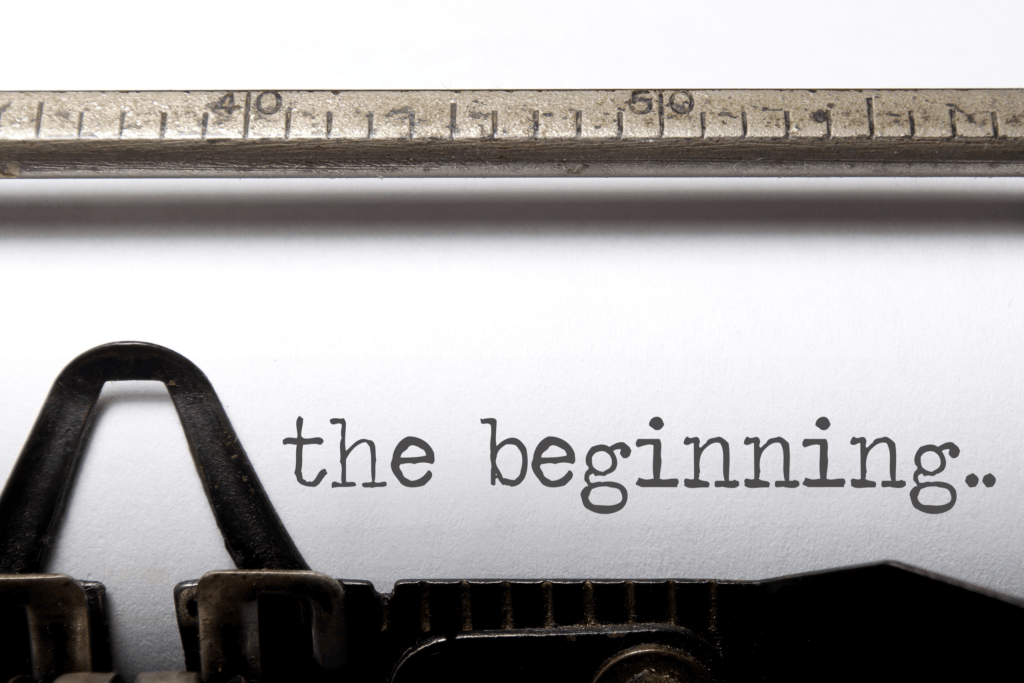
Before fonts became digital, words began here.
When the printing press was invented in the 15th century, early type designers drew inspiration from manuscripts and Roman inscriptions. Serif fonts became the standard choice for books because they closely resembled familiar writing styles and improved readability.
This era established serif fonts as the dominant typography style for centuries.
Serif Fonts in Modern Design

Through Font Kingdom, modern serif typography finds its place in refined digital spaces, where tradition meets contemporary design.
While digital design introduced many new type styles, serif fonts never disappeared. Instead, they evolved. Modern serif fonts now appear in:
- Editorial websites
- Luxury branding
- Educational materials
- Professional publications
They continue to signal trust, stability, and sophistication.
Types of Serif Fonts
1. Old Style Serif Fonts
Old-style serif fonts have organic shapes and gentle contrast. They feel warm and traditional.
Common uses include:
- Books
- Editorial design
- Classic branding
2. Transitional Serif Fonts
Transitional serif fonts balance traditional and modern characteristics. They have sharper serifs and higher contrast.
These fonts are often used in:
- Newspapers
- Educational materials
- Corporate communication
3. Modern Serif Fonts
Modern serif fonts feature strong contrast and thin serifs. They feel elegant and dramatic.
They are commonly seen in:
- Fashion branding
- Luxury packaging
- High-end editorial layouts
4. Slab Serif Fonts
Slab serif fonts have thick, block-like serifs. They feel bold and sturdy.
Slab serifs are popular for:
- Posters
- Headlines
- Display typography
Examples of Serif Font Usage
1. Serif Fonts in Publishing
Books, magazines, and newspapers often rely on serif fonts for body text because they support long-form reading.
2. Serif Fonts in Branding
Many luxury and heritage brands use serif fonts to convey tradition, trust, and sophistication.
3. Serif Fonts in Education
Textbooks and academic publications favor serif fonts for clarity and readability, especially in printed formats.
4. Serif Fonts in Digital Design
While sans-serif fonts dominate many websites, serif fonts are making a strong comeback in modern web design, especially for blogs, editorial platforms, and storytelling-focused sites.
When Should You Use a Serif Font?
| Best Situations for Serif Fonts | When to Avoid Serif Fonts |
| Content is text-heavy | Very small screen sizes |
| A formal or traditional tone is desired | Casual or playful designs |
| Trust and credibility matter | User interfaces requiring maximum simplicity |
Final Thoughts on Serif Font
A serif font is more than a traditional design choice; it is a powerful tool for communication. With deep historical roots, distinctive features, and wide-ranging applications, serif typography continues to shape how we read and interpret text.
By understanding the history, features, and examples of serif fonts, designers and content creators can make informed typography decisions that enhance readability, credibility, and visual appeal. Whether in print or digital design, serif fonts remain a timeless and valuable part of typography.

One Comment