
Byline typography is a small but powerful design element that often goes unnoticed by readers, yet it plays an important role in how content is perceived. From blogs and magazines to digital publications and editorial websites, a byline helps communicate authorship, credibility, and tone through thoughtful typography.
In this complete guide, we’ll explore what author byline styling is, why it matters, how designers style it effectively, and common mistakes to avoid when using bylines.
What Is Byline Typography?
Byline typography refers to the design and styling of the author’s name (and sometimes role or date) that appears near a piece of content, usually below the headline or title.
A typical byline includes:
- Author name
- Optional role or title
- Publication date (sometimes)
While the content of a byline is simple, its typography communicates subtle cues about professionalism, authority, and brand identity.
Why Byline Typography Matters in Design
Bylines may be small, but they influence how readers trust and engage with content.
Author Byline Styling Builds Credibility
A clear and well-designed byline signals that the content has a real author behind it. This is especially important for blogs, news articles, and thought leadership pieces.
It Supports Visual Hierarchy
Bylines help guide the reader’s eye from headline to body text. Proper typography ensures the byline is visible, but not overpowering.
It Reinforces Brand Consistency
When bylines follow a consistent typographic system, they strengthen the overall design language of a website or publication.
Common Placement of Byline Typography
Where a byline appears affects how it is perceived.
Below the Headline
This is the most common placement. The byline acts as a transition between the headline and the main content.
Above the Body Text
Some editorial designs place the byline just before the first paragraph to create a stronger author presence.
Sidebar or Metadata Area
In minimalist layouts, bylines may appear subtly in a metadata section along with categories or tags.
Font Choices for Byline Typography
Choosing the right font is key to effective byline design.
Sans-Serif Fonts for Modern Design
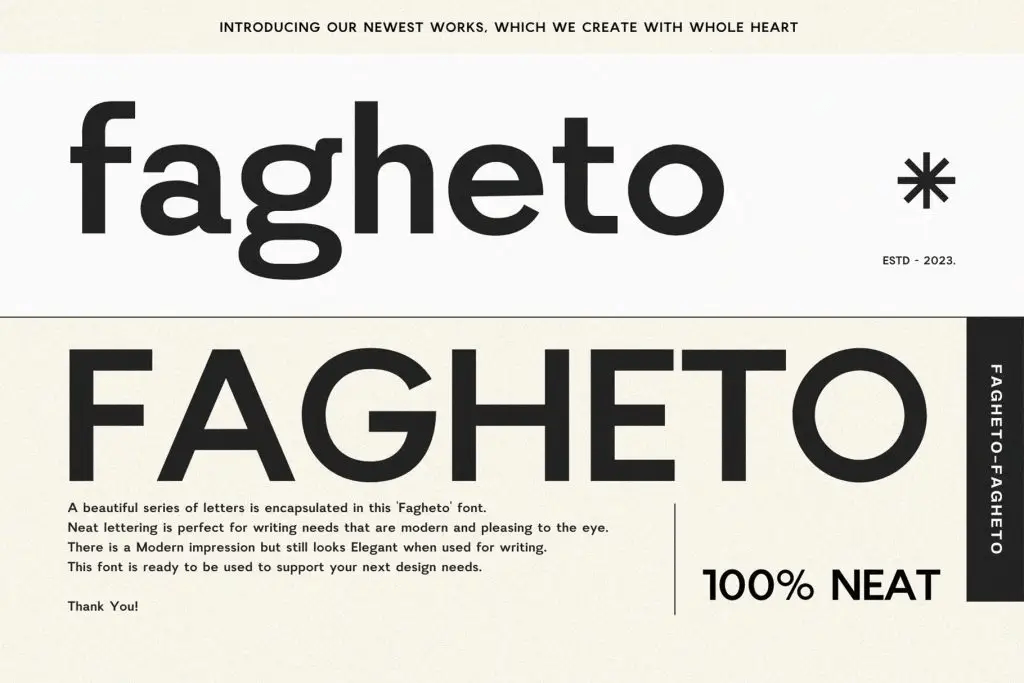
Sans-serif fonts are widely used for digital publications because they are:
- Clean and readable
- Neutral in tone
- Easy to scale across devices
They work well for modern blogs, tech websites, and editorial platforms.
Serif Fonts for Editorial and Print
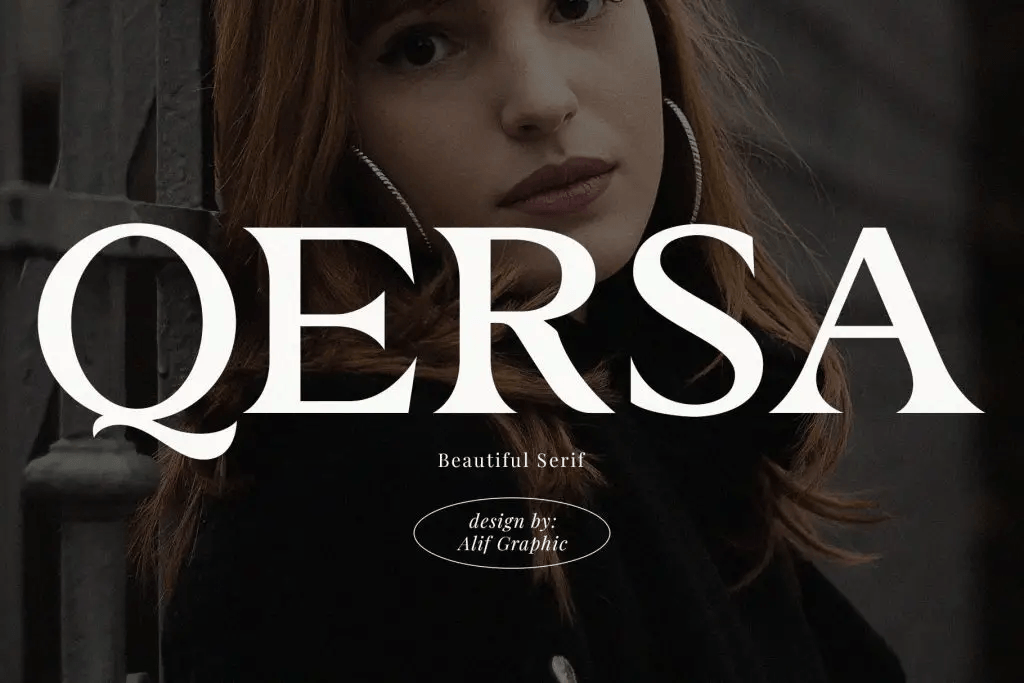
Serif fonts are often used in magazines and long-form articles.
They convey:
- Authority
- Tradition
- Editorial depth
Using a serif font for bylines can subtly elevate the perceived quality of the content.
Font Size, Weight, and Style in Byline Typography
Typography details matter, even for small text.
Font Size
Bylines are usually smaller than headlines but slightly larger or equal to body text. This keeps them noticeable without competing for attention.
Font Weight
Designers often use:
- Regular or lightweight
- Sometimes italic for distinction
Avoid bold weights, as they can overpower the headline.
Color Choices
Muted or neutral colors (gray, soft black) are common. This helps the byline remain visible but secondary.
To learn more about typeface pairing, see The Art of Typeface Pairing: Creating Harmonious Designs
Common Mistakes in Byline Typography
Even experienced designers can overlook byline details.
Making the Byline Too Prominent
Overly large or bold bylines distract from the headline and content.
Inconsistent Styling
Changing byline fonts or styles across articles weakens brand consistency.
Poor Contrast
Low contrast between the byline text and the background reduces readability, especially on mobile devices.
Best Practices for Designers Using Byline Typography
To design effective bylines:
- Keep them subtle but readable
- Maintain consistent styling across pages
- Align author byline styling with brand tone
- Test readability on different screen sizes
A well-designed byline quietly supports the content without stealing focus. To explore real-world examples of how byline text styling is applied across editorial layouts and digital publications, you can browse curated typography inspiration on Font Kingdom’s Pinterest

Youtube Proxy
yeah bookmaking this wasn’t a speculative determination outstanding post! .