
Understanding how typography shapes gaming experience is essential for designers working in the gaming industry. Typography is not just about displaying text; it is a powerful tool that influences how players feel, interact, and engage with a game.
From menus and dialogues to in-game instructions and branding, typography plays a key role in shaping the overall experience. The right font can enhance immersion, while the wrong choice can break it.
In this article, we will explore how typography shapes gaming experience, its impact on design, and how to use it effectively.
How Typography Shapes Gaming Experience Through Emotion
One of the most important aspects of how typography shapes gaming experience is emotional impact.
Different fonts evoke different feelings:
- Sharp fonts → Tension and danger
- Rounded fonts → Fun and friendliness
- Decorative fonts → Fantasy and magic
For example, horror games often use distorted typography to create fear, while cartoon games use playful fonts to create joy.
Typography and Game Genre Identity
Action and Adventure Games
- Bold and dynamic fonts
- Strong shapes
- Energetic style
These fonts create excitement and movement.
Typography and Game Genre Identity
Typography is essential in defining game genres.
Action and Adventure Games
- Bold and dynamic fonts
- Strong shapes
- Energetic style
These fonts create excitement and movement.
Fantasy Games
- Decorative and elegant fonts
- Medieval-inspired elements
- Magical appearance
Typography helps build immersive worlds.
Horror Games
- Distorted and rough fonts
- Dripping or broken shapes
- Dark and unsettling tone
These fonts create fear and suspense.
Cartoon Games
- Rounded and simple fonts
- Bright and friendly look
- Easy readability
Typography makes the game approachable.
How Typography Shapes Gaming Experience in UI Design
Typography is crucial in user interface (UI) design.
1. Menu Navigation
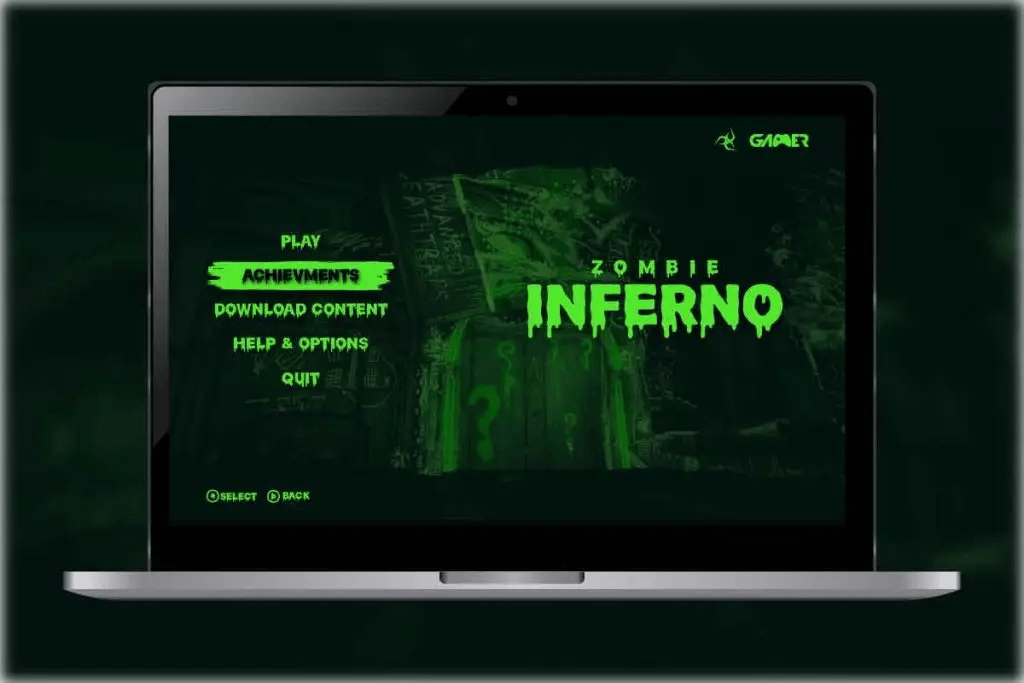
Clear typography ensures players can navigate menus easily.
2. In-Game Instructions
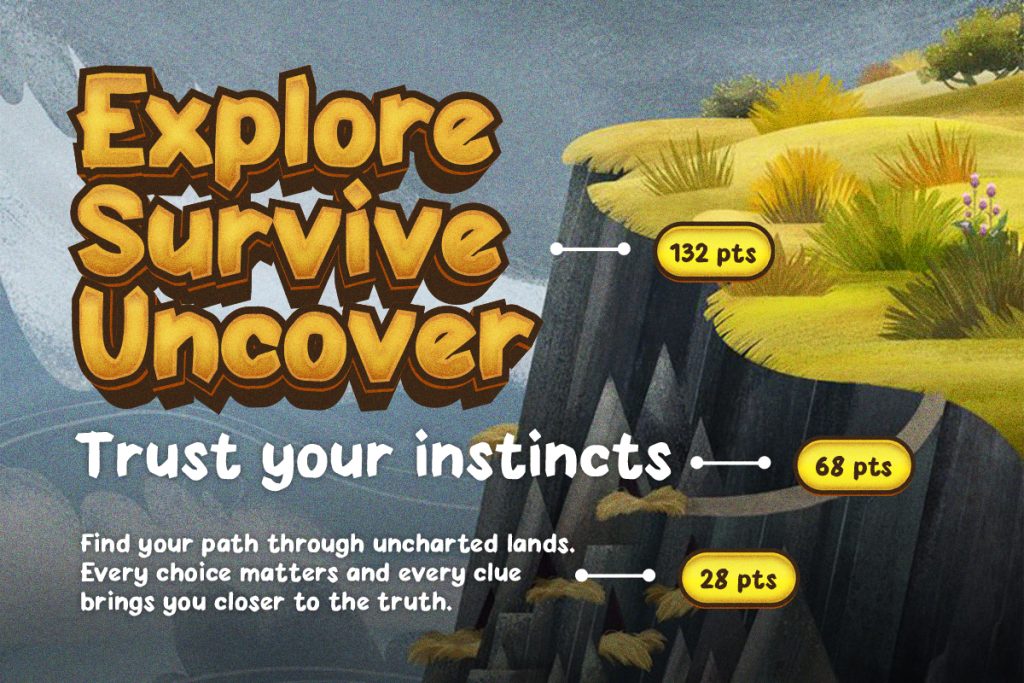
Readable fonts help players understand objectives quickly.
3. HUD (Heads-Up Display)
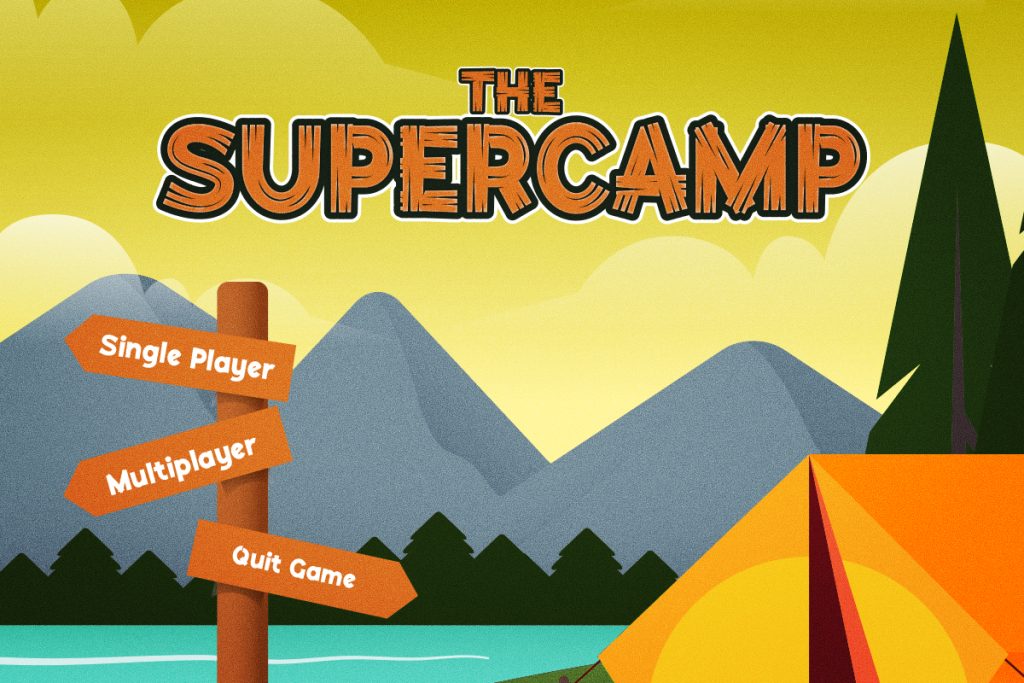
Typography in HUD elements must be:
- Clear
- Compact
- Easy to read under pressure
4. Dialogue and Storytelling
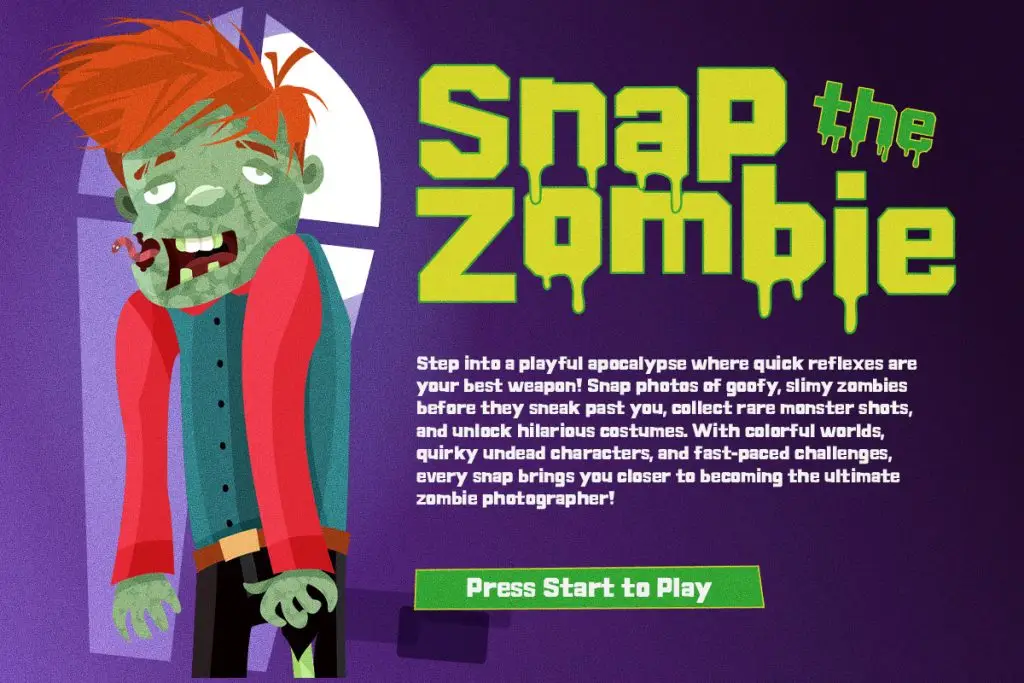
Fonts used in dialogues influence how players perceive characters and narratives.
Key Principles of Typography in Gaming
1. Readability Comes First
Even the most stylish font must be readable.
2. Consistency
Use consistent typography throughout the game to maintain identity.
3. Hierarchy
Use different font sizes and weights to organize information.
4. Contrast
Ensure text stands out from the background.
The Future of Typography in Gaming
The future of how typography shapes gaming experience is evolving with technology.
Trends include:
- Animated typography
- 3D text effects
- Adaptive fonts for different screens
- Interactive UI typography
Typography will continue to play a major role in enhancing user experience.
Conclusion
Understanding how typography shapes gaming experience allows designers to create more immersive and effective game designs. Typography influences emotion, readability, and interaction, making it a critical element in gaming.
By choosing the right fonts, maintaining consistency, and prioritizing readability, designers can improve both gameplay and visual appeal.
