Understanding home furniture font trends is important for designers, furniture brands, and creative businesses that want to build a stronger visual identity in 2026. Many furniture brands invest in product photography, interior styling, catalogs, and social media content, but their branding still feels generic because the typography does not match the quality of the products.
Furniture branding is highly visual. Customers often judge a brand before they touch the material, visit the showroom, or compare prices. They look at the logo, website, brochure, packaging, product tags, and social media visuals. If the font feels outdated, inconsistent, or hard to read, the brand may appear less premium than it actually is.
The right font can help a furniture business communicate style, comfort, craftsmanship, and trust. Whether the brand focuses on minimalist home furniture, luxury interiors, handcrafted wooden pieces, modern decor, or boutique lifestyle products, typography helps shape customer perception. In this article, we will explore home furniture font trends designers should know in 2026, along with font recommendations, best use cases, implementation tips, and related articles for deeper inspiration.
Why Typography Matters in Furniture Branding
Furniture is not only functional. It also represents lifestyle, taste, and personality. Because of that, branding needs to communicate more than product information. Typography helps express the brand’s mood visually.
Fonts Create First Impressions
Before customers read product descriptions, they notice the visual tone. A clean sans-serif font can make a furniture brand feel modern and practical. A refined serif font can communicate luxury and timeless design. A soft decorative font can make a brand feel warm, cozy, or handmade.
This first impression matters because furniture purchases often involve trust. Customers want to feel confident that the brand understands design, quality, and comfort.
Fonts Support Brand Positioning
Different furniture brands need different typography styles.
For example:
- Minimalist furniture brands need clean and simple fonts.
- Luxury furniture brands need elegant and refined typography.
- Handmade furniture brands need warm and personal fonts.
- Modern decor brands need stylish and flexible typefaces.
A font should match the brand promise. When typography and product style feel aligned, the brand becomes more believable.
Home Furniture Font Trends in 2026
Typography trends in furniture branding are moving toward a balance between elegance, clarity, and personality. Designers are no longer choosing fonts only because they look beautiful. They choose fonts that support storytelling, readability, and long-term brand consistency.
1. Elegant Serif Fonts for Premium Interiors
Serif fonts continue to be popular for furniture brands that want to communicate heritage, craftsmanship, and luxury. In 2026, serif typography is becoming more refined, with better spacing, cleaner contrast, and editorial-inspired layouts. Elegant serif fonts work well for premium furniture brands, interior studios, luxury catalogs, and showroom websites.
2. Clean Sans-Serif Fonts for Modern Living
Modern home furniture brands often use sans-serif fonts because they feel simple, clear, and contemporary. This trend is especially strong for Scandinavian-inspired furniture, modular interiors, and direct-to-consumer furniture brands. Sans-serif typography helps product photography remain the focus while keeping the brand identity polished.
3. Editorial Typography for Lifestyle Branding
Furniture brands increasingly present themselves like lifestyle magazines. They use large headlines, spacious layouts, and elegant typography to create a premium editorial feel. This approach works well for lookbooks, seasonal campaigns, website hero sections, and social media carousels.
4. Warm Personality Fonts for Cozy Home Brands
Not every furniture brand needs to feel cold and minimal. In 2026, warm and expressive fonts are gaining popularity among brands that focus on comfort, handmade products, family homes, and soft interior styling.
These fonts help the brand feel approachable and emotionally connected to daily living.
Recommended Fonts for Home Furniture Branding
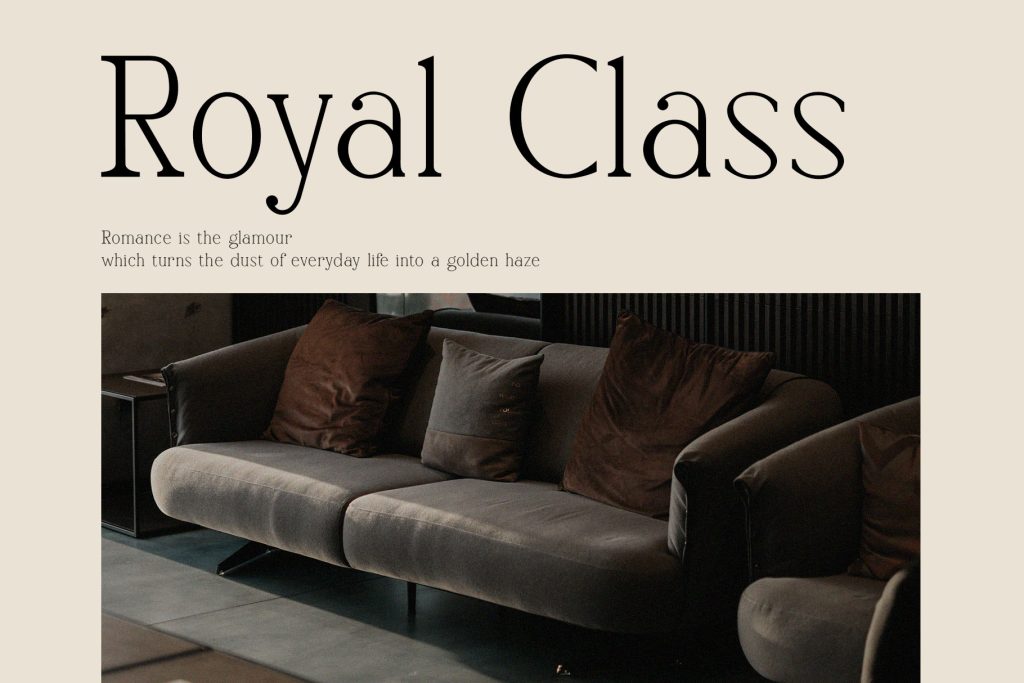
1. Balmoon
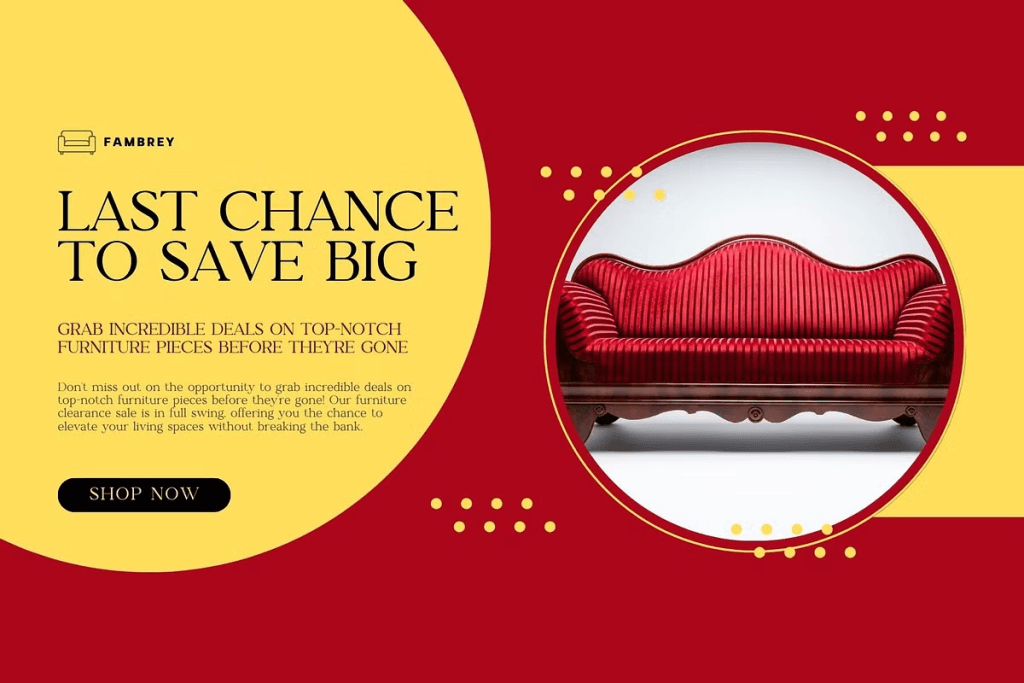
2. Fambrey
3. Fishera

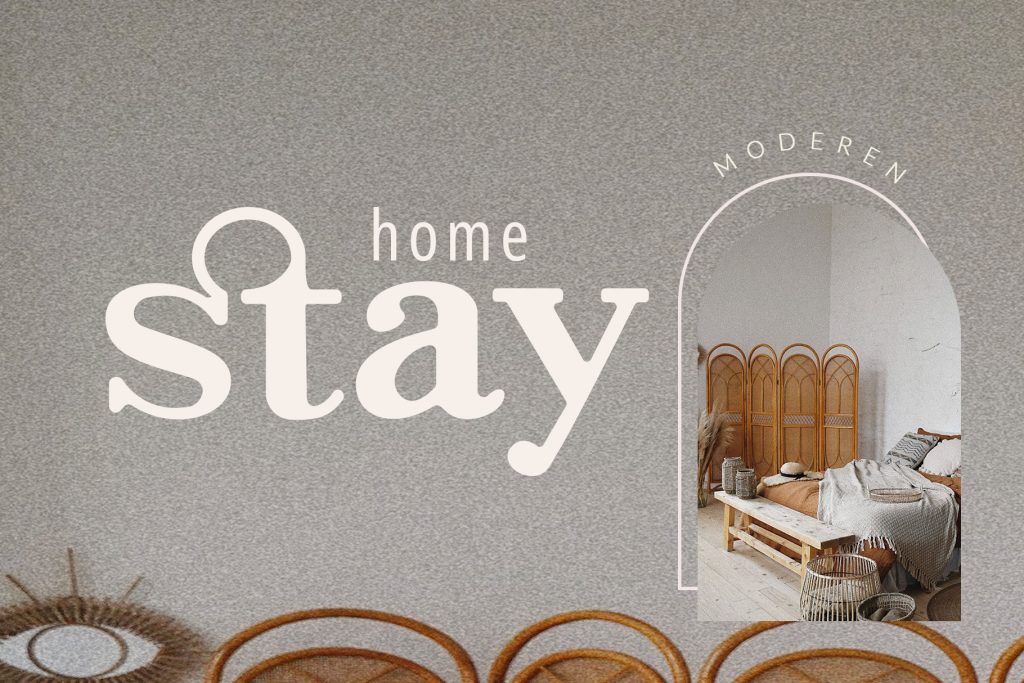
4. Gillty
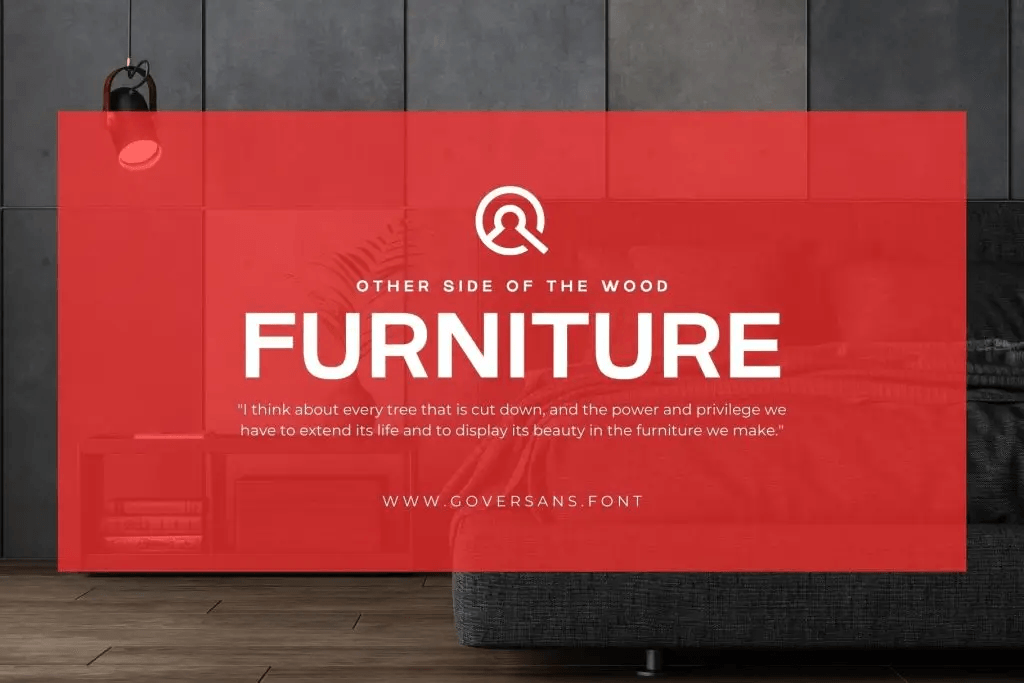
5. Govers
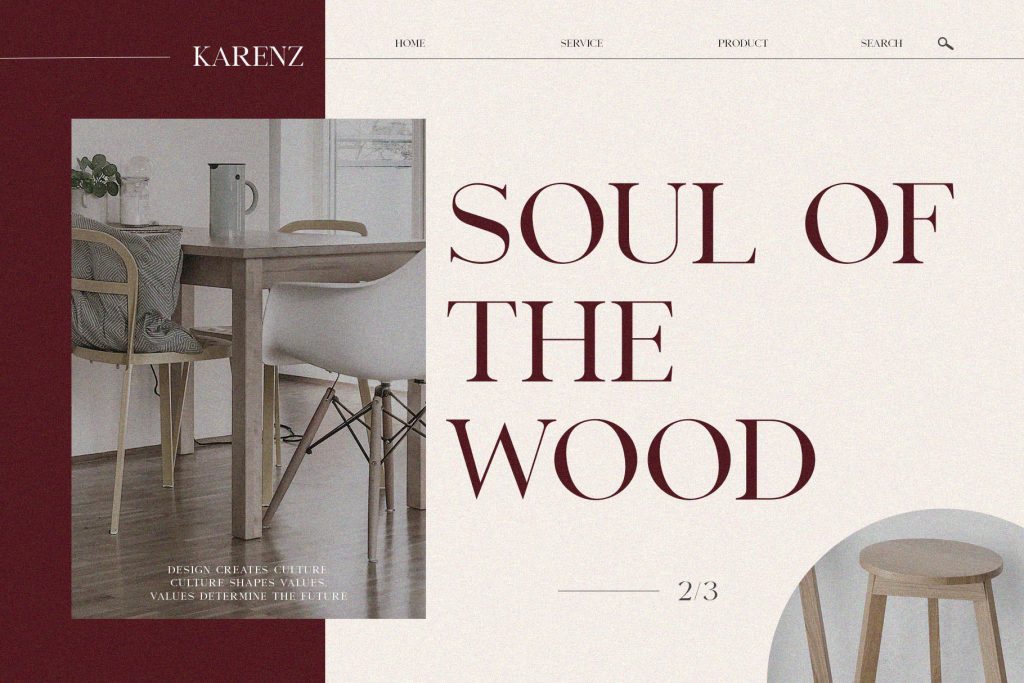
6. Karenz
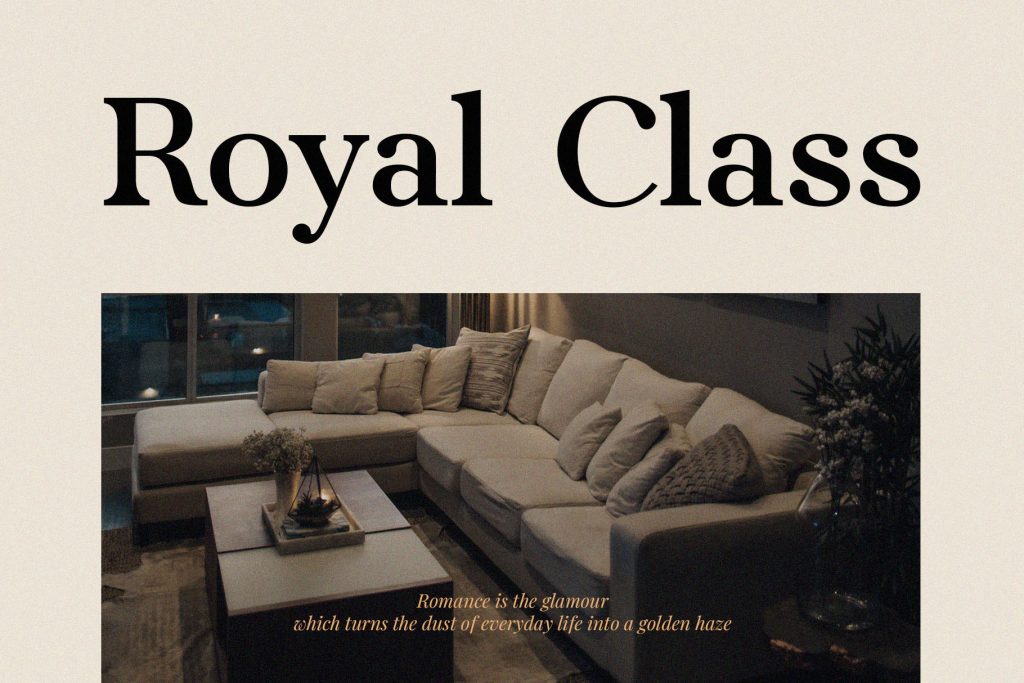
7. Kefhila
8. Maktron

9. Sharone
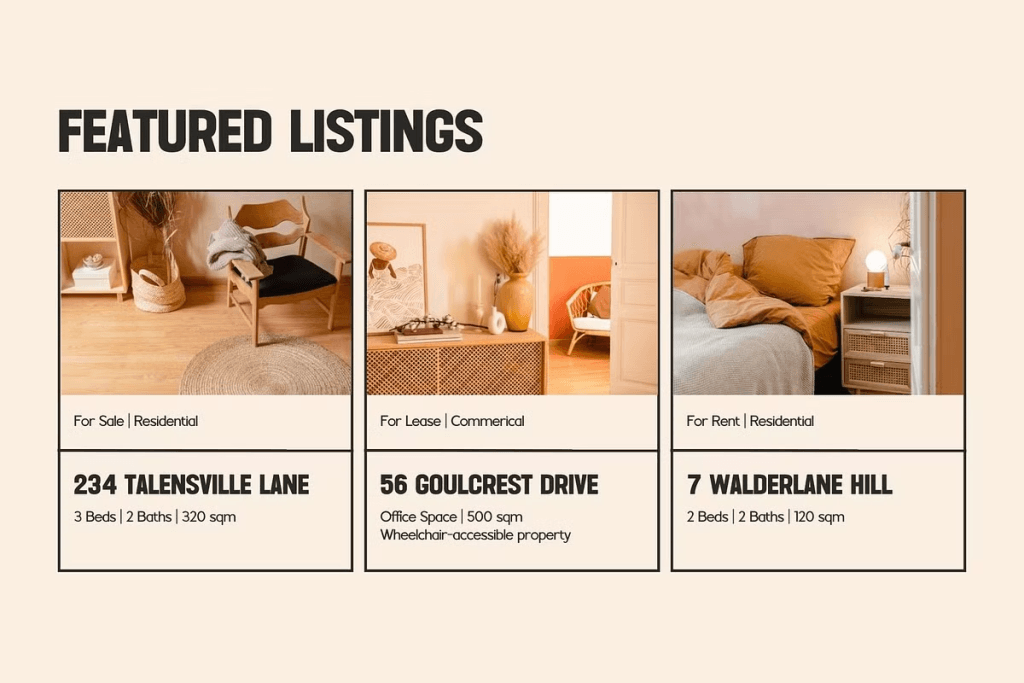
10. Viona Collins

Best Use Case
The best font choice depends on where the typography will appear. Furniture branding usually involves multiple touchpoints, so designers need fonts that work across both print and digital formats.
Logo and Brand Identity
For furniture logos, typography must feel memorable and aligned with the brand personality. Serif fonts like Kefhila Serif, Viona Collins, and Fambrey work well for luxury or classic furniture brands. Sans-serif styles like Govers and Maktron are better for modern and minimal brands.
Website Hero Sections
Furniture websites rely heavily on large photography. Typography should complement the images without competing with them. Use elegant fonts for headlines and clean fonts for navigation, product descriptions, and calls to action.
Product Catalogs and Lookbooks
Catalogs need typography that supports readability and visual storytelling. Editorial fonts such as Fishera, Balmoon, and Fambrey can make layouts feel more premium, especially when combined with generous white space.
Social Media Promotions
Furniture brands often use Instagram, Pinterest, and Facebook to showcase products. Fonts should remain readable on mobile screens. Maktron, Govers, Karenz, and Gillty can help create attention-grabbing promotional visuals.
Packaging, Tags, and Labels
Furniture packaging, care cards, and product tags should feel consistent with the brand identity. Use readable typography for practical details and more expressive fonts for brand accents.
Tips for Implementation
Match Font Style with Furniture Style
Typography should reflect the product aesthetic.
For example:
- Minimal furniture: clean sans-serif fonts
- Luxury furniture: elegant serif fonts
- Handmade furniture: warm and expressive fonts
- Modern decor: stylish editorial fonts
When the font matches the furniture style, the brand feels more cohesive.
Build a Simple Font System
A strong furniture brand does not need too many fonts. Use one primary font for brand identity and one supporting font for readable information.
A simple system could be:
- Serif font for headlines
- Sans-serif font for body text
- Accent font for special campaigns
This keeps the brand flexible but consistent.
Prioritize Readability
Furniture branding often includes product names, dimensions, materials, prices, care instructions, and collection descriptions. These details must be easy to read. Avoid using decorative fonts for technical information. Save expressive fonts for headings, logos, or short promotional phrases.
Use White Space Generously
Furniture branding often feels more premium when the layout has enough breathing room. White space allows typography and product photography to feel more elegant. Avoid overcrowding catalogs, websites, and social media posts with too much text.
Test Typography Across Media
A font may look great on a website but perform differently in print. Always test typography on catalogs, tags, social media templates, and mobile screens before finalizing a brand system.
If you want more typography inspiration for furniture branding, read “Trendy Fonts for Furniture Businesses.” This article explores font styles that help furniture brands look more modern, attractive, and market-ready.
You can also continue with “How Fonts Influence Furniture Brands and Customer Perception.” It explains how typography affects trust, perceived quality, and customer expectations in furniture branding.
For more font ideas, branding tips, and creative resources, visit the Font Kingdom Blog and explore premium typefaces designed for home decor, furniture, packaging, posters, and modern brand identity projects.
Conclusion
Following home furniture font trends in 2026 can help designers create furniture branding that feels more professional, memorable, and aligned with customer expectations. Typography plays a major role in how people perceive quality, comfort, style, and trust.
Fonts such as Balmoon, Fambrey, Fishera, Gillty, Govers, Karenz, Kefhila, Maktron, Sharone, and Viona Collins offer different personalities for different furniture brand directions. Some feel modern and clean, while others feel luxurious, warm, editorial, or boutique-inspired.
By choosing fonts that match the furniture style, creating a consistent typography system, prioritizing readability, and testing across multiple brand touchpoints, designers can build stronger visual identities. In furniture branding, the right font does more than display text. It helps customers feel the value of a home before they even sit in the room.
