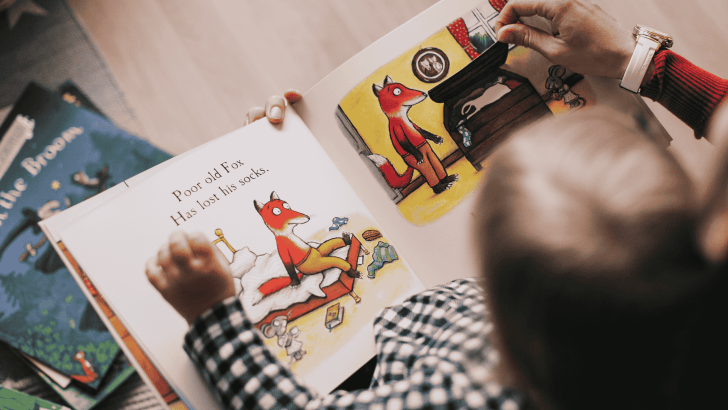
Choosing the right storybook fonts is one of the most important decisions in children’s book design. Typography shapes how young readers experience a story. The right font makes reading easier, more enjoyable, and emotionally engaging. The wrong font can create confusion, reduce readability, and weaken the storytelling impact.
In this guide, we’ll explore what makes great storybook fonts, how to choose them for children’s book design, and which styles work best for print and digital publishing.
Why Storybook Fonts Matter in Children’s Book Design
Storytelling for children is deeply visual. Illustrations play a big role, but typography is equally powerful. Storybook fonts influence tone, mood, and readability.
Children’s books require fonts that are:
- Clear and legible
- Friendly and approachable
- Balanced with illustrations
- Comfortable for early readers
Young readers are still developing reading skills, so typography must support, not challenge, their learning process.
If you’re new to typography basics, you can read:
👉 The Anatomy of Typography: A Beginner-Friendly Guide
Understanding structure helps you select better storybook fonts.
Key Characteristics of the Best Storybook Fonts
Not all playful fonts work well in children’s books. Let’s explore what defines strong storybook fonts.
1. High Readability
Readability is the top priority. Storybook fonts must have:
- Clear letterforms
- Open counters
- Distinct shapes between similar letters (like “b” and “d”)
Fonts that are too decorative can confuse novice readers.
2. Rounded and Friendly Shapes
Soft curves and rounded edges feel welcoming. Many storybook fonts use smooth strokes to create warmth.
This emotional tone helps children feel comfortable and engaged with the text.
3. Balanced Spacing
Proper spacing between letters and lines improves clarity. Generous leading (line spacing) makes reading easier for young eyes.
You can learn more about spacing here:
👉 Leading in Typography: How Line Spacing Improves Readability
Spacing plays a major role in children’s book design.
Best Storybook Fonts for Titles
Titles can be more expressive than body text. Here are styles that work well.
Handwritten Storybook Fonts
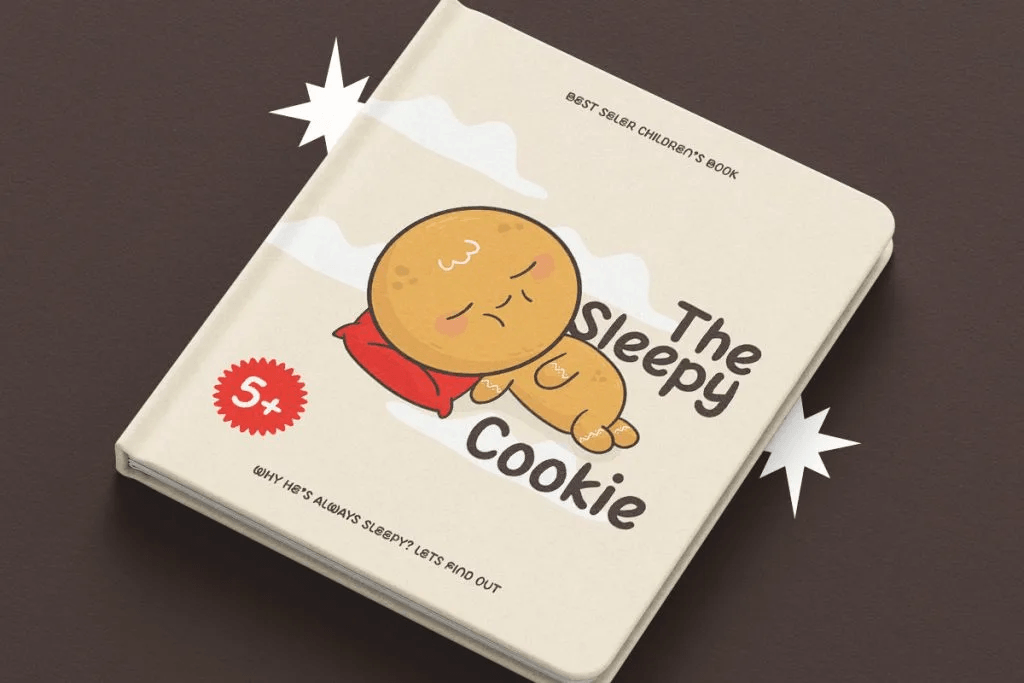
Handwritten-style storybook fonts add personality and charm. They create a sense of storytelling intimacy, as if the author wrote the story by hand.
These fonts work best for:
- Book covers
- Chapter headings
- Decorative quotes
However, avoid using highly decorative handwriting fonts for long paragraphs.
Playful Display Fonts
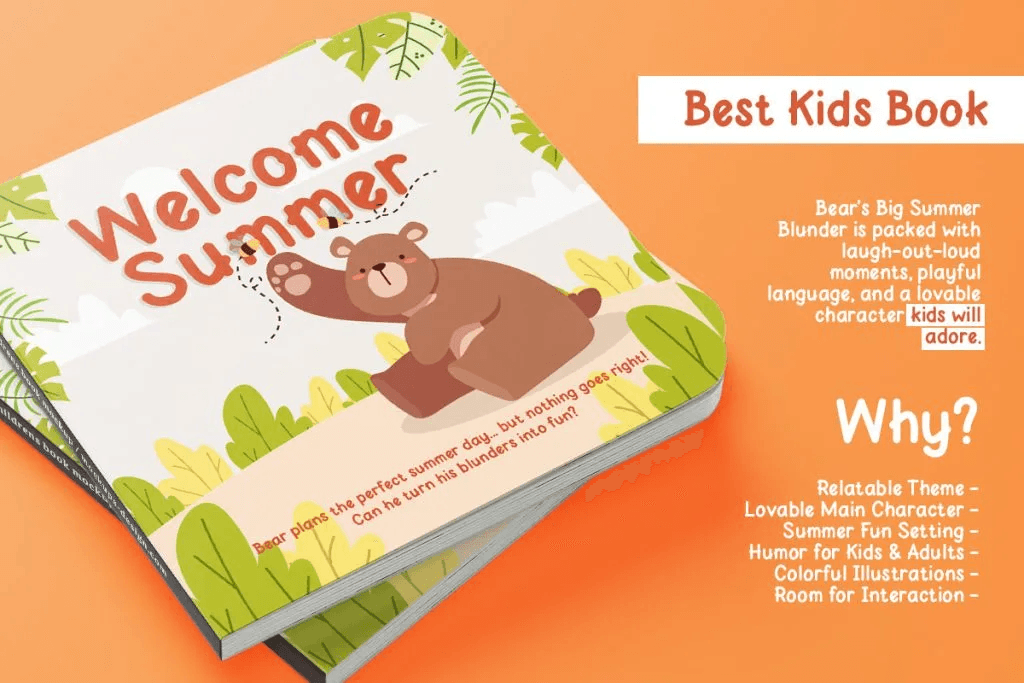
Display fonts designed for children often include exaggerated curves and fun proportions. They are ideal for:
- Kids’ books
- Fantasy stories
- Animal-themed adventures
These storybook fonts grab attention instantly.
Best Storybook Fonts for Body Text
Body text requires higher readability than titles.
Clean Serif Fonts
Serif fonts are traditionally associated with books. In children’s publishing, softer serif fonts with moderate contrast work well.
Serif fonts guide the eye along the line, improving reading flow.
If you want to explore serif structures further, read:
👉 What Is a Serif Font? History, Features, and Examples
Friendly Sans Serif Fonts
Modern children’s books sometimes use sans-serif storybook fonts for a clean, contemporary look.
Sans-serif fonts are especially effective in:
- Educational books
- Activity books
- Early reading materials
They often perform well in digital formats.
If you want to explore sans-serif structures further, read:
👉 Sans Serif Fonts: Complete Guide for Modern Designers
Choosing Storybook Fonts for Print Publishing
Print publishing requires specific considerations.
1. Consider Paper and Ink
Thin strokes may disappear on lower-quality paper. Choose storybook fonts with medium stroke weight for better print clarity.
2. Test Font Size Carefully
Children’s books often use larger font sizes. Testing different sizes ensures readability without overwhelming the layout.
3. Maintain Consistency
Limit your design to 1–2 primary storybook fonts. Too many styles create visual clutter.
Choosing Storybook Fonts for Digital Publishing
Digital storybooks and apps require additional flexibility.
1. Optimize for Screens
Storybook fonts must remain legible across:
- Tablets
- Smartphones
- Desktop monitors
Test fonts on different screen sizes before finalizing the design.
2. Avoid Overly Thin Strokes
Thin fonts may blur on lower-resolution screens. Choose fonts with solid weight and clear structure.
3. Ensure Accessibility
The contrast between text and background should be strong. Clear typography improves comprehension and accessibility.
Why Storybook Fonts Shape Emotional Experience
Typography is emotional design. The right storybook fonts can make a story feel:
- Magical
- Cozy
- Adventurous
- Educational
Children connect visually before they fully process text. Fonts help create that first emotional impression.
The best storybook fonts balance personality with readability. They support illustrations rather than compete with them.
Final Thoughts on Storybook Fonts
Selecting the best storybook fonts for children’s book design requires thoughtful consideration of readability, emotional tone, and publishing format. Whether for print or digital platforms, typography must enhance storytelling, not distract from it.
Strong storybook fonts are clear, friendly, and well-spaced. They guide young readers smoothly from one line to the next while maintaining visual charm.
Typography is more than decoration in children’s publishing. It is part of the storytelling experience. When chosen carefully, storybook fonts make stories more engaging, accessible, and memorable.
