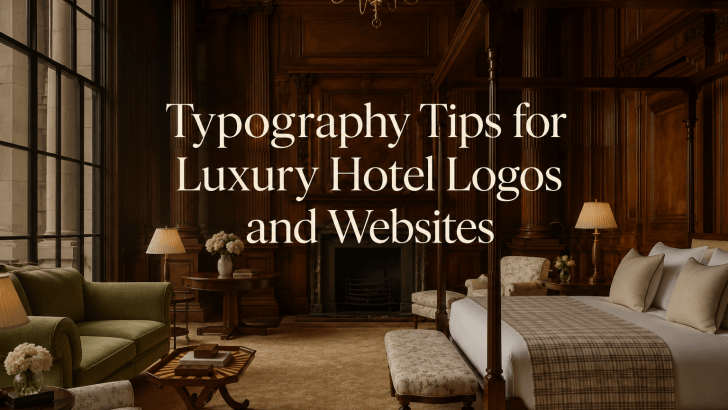
Effective typography tips for luxury hotel logos and websites can help solve one of the most common challenges in hospitality branding: creating a premium first impression. Many luxury hotels invest heavily in architecture, interior design, photography, and guest experiences, yet their branding often fails to communicate the same level of sophistication online and offline.
Typography is one of the most influential visual elements in hospitality marketing. It shapes how potential guests perceive your hotel before they ever visit the property. From the logo displayed on the website header to the typography used throughout booking pages, every font choice contributes to the overall guest experience.
Luxury hospitality brands compete not only on service and amenities but also on perception. Elegant typography helps communicate exclusivity, trust, comfort, and attention to detail. When used strategically, it strengthens brand identity and creates a seamless experience across every touchpoint.
In this guide, we’ll explore typography tips for luxury hotel logos and websites and examine how thoughtful typography can elevate premium hospitality branding.
Why Typography Matters in Luxury Hospitality
Before discussing logos and websites specifically, it’s important to understand why typography plays such a significant role in luxury hospitality. Luxury hotels sell more than accommodations.
They sell:
- Experiences
- Emotions
- Comfort
- Prestige
- Exclusivity
Typography tips for luxury hotel logos and websites help communicate these qualities visually. When potential guests visit a website or encounter marketing materials, they often form impressions within seconds. Elegant typography immediately signals professionalism and quality, while inconsistent or poorly chosen fonts can undermine trust. For luxury hotels, typography becomes part of the guest journey long before check-in.
The Hotel Logo: Crafting Timeless Elegance
A hotel logo serves as the foundation of the brand identity. Luxury hotel logos are often intentionally simple because simplicity creates longevity.
Prioritize Timelessness Over Trends
One of the biggest mistakes hospitality brands make is choosing fonts based on short-term design trends. Trendy typography may look modern today but can quickly feel outdated.
Luxury branding should aim for:
- Timeless elegance
- Long-term consistency
- Sophisticated simplicity
Classic serif fonts remain popular among luxury hotels because they communicate heritage, prestige, and refinement.
Focus on Letterform Quality
Luxury logos often rely entirely on typography. Without strong letterforms, even a simple wordmark can appear generic.
Pay attention to:
- Proportions
- Spacing
- Contrast
- Character details
Subtle refinements often create the strongest sense of luxury.
Use Typography to Reflect Brand Personality
Different hospitality brands communicate different experiences.
For example:
- Boutique hotels may prefer expressive serif fonts.
- Urban luxury hotels may favor modern high-contrast typography.
- Wellness retreats often benefit from softer, elegant typefaces.
Logo typography should reflect the property’s unique personality.
Avoid Overcomplicated Logo Fonts
Luxury branding rarely relies on excessive decoration. Simple typography often feels more premium because it communicates confidence and clarity. A clean, well-crafted logo generally performs better than one filled with ornamental details.
The Hotel Website: Optimizing for Readability and Mood
While logos focus on identity, websites focus on communication. A luxury hotel website must balance aesthetics and usability.
Typography Sets the Emotional Tone
The typography used throughout a hotel website influences how visitors feel.
Elegant fonts can create impressions such as:
- Sophistication
- Comfort
- Relaxation
- Exclusivity
For example, a luxury resort may use refined serif headlines paired with clean sans-serif body text to balance elegance and readability.
Create a Strong Visual Hierarchy
Hotel websites contain a significant amount of information.
Guests need to quickly understand:
- Room options
- Amenities
- Dining experiences
- Location details
- Booking information
Typography hierarchy helps organize this content effectively.
Use:
- Large headlines
- Medium subheadings
- Readable body text
A clear hierarchy improves navigation and user experience.
Prioritize Readability on All Devices
Many travelers browse hotel websites on mobile devices.
Typography should remain clear across:
- Smartphones
- Tablets
- Laptops
- Desktop computers
Consider factors such as:
- Font size
- Line height
- Contrast
- Responsive scaling
Beautiful typography is only effective if guests can read it easily.
Limit the Number of Fonts
Luxury websites often feel premium because they are visually restrained.
Most successful hospitality websites use:
- One display font
- One body text font
Limiting font choices creates consistency and professionalism.
Let Photography and Typography Work Together
Luxury hospitality websites rely heavily on photography. Typography should complement images rather than compete with them.
Good design balances:
- Visual storytelling
- Readability
- Brand identity
When typography and photography support one another, the overall experience becomes more immersive.
Creating Harmony Across Touchpoints
Luxury hospitality branding extends far beyond logos and websites. Guests interact with typography throughout their journey.
Maintain Consistency Everywhere
Typography should remain consistent across:
- Websites
- Social media
- Email marketing
- Brochures
- Menus
- Signage
- Guest materials
Consistent typography strengthens recognition and reinforces professionalism.
Develop a Typography System
Rather than selecting fonts individually for different projects, create a structured typography system.
A complete system includes:
- Logo typography
- Headline styles
- Subheadings
- Body text
- Call-to-action text
This ensures every communication piece feels connected.
Align Typography with the Guest Experience
The visual identity should support the actual guest experience.
For example:
- A luxury spa resort may use soft and elegant typography.
- A modern city hotel may use minimalist and contemporary fonts.
- A heritage property may use classic serif typography.
Consistency between branding and experience builds trust.
Support Premium Positioning
Typography contributes directly to perceived value. Luxury guests often associate polished branding with superior service quality. Every detail matters, including the fonts used across the brand ecosystem.
Related Articles You May Like
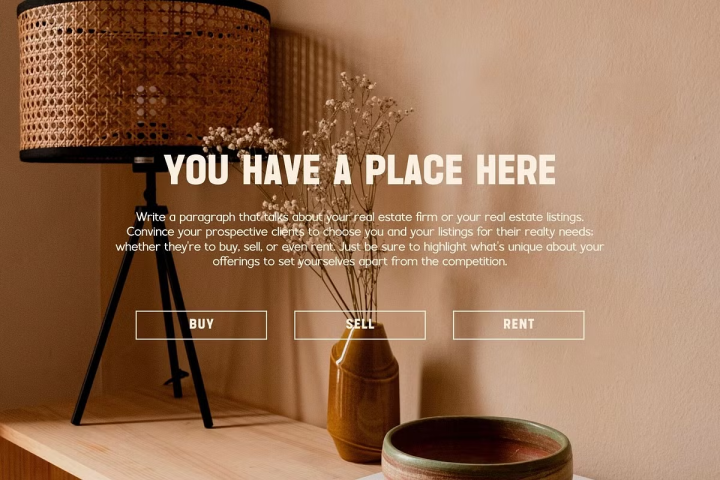
If you’re exploring hospitality branding and luxury typography, continue reading: Luxury Hotel Fonts for Premium Hospitality Branding.
Also, you can read Typography Tips for Home Decor Brands for tips for home decor brands.
Conclusion
Applying the right typography tips for luxury hotel logos and websites can significantly improve how guests perceive your brand. Typography influences first impressions, strengthens recognition, enhances usability, and helps communicate the exclusivity that luxury hospitality brands strive to deliver.
By crafting timeless hotel logos, optimizing website typography for readability and mood, and creating consistency across every touchpoint, hospitality businesses can build stronger brand identities and more memorable guest experiences.
Luxury branding is ultimately about details. Typography may seem like a small design decision, but its impact extends across every stage of the customer journey. When used thoughtfully, typography becomes a powerful tool for elevating premium hospitality brands and creating lasting impressions.
