
Typography is more than just a visual design element. In branding, fonts play a powerful psychological role in shaping how people perceive a brand. The psychology of fonts in branding explains how different typefaces communicate personality, emotion, and trust.
When people see a logo, website, or advertisement, the font can instantly influence their perception of the brand. A bold font may communicate strength and confidence, while a handwritten font may feel friendly and personal.
Understanding the psychology of fonts in branding helps businesses choose typography that aligns with their identity and connects emotionally with their audience.
In this article, we will explore how typography influences perception and how brands can use fonts strategically to strengthen their brand identity.
Why the Psychology of Fonts in Branding Matters
The human brain processes visual information quickly. In fact, people can form an opinion about a brand within just a few seconds. This is why the psychology of fonts in branding is so important.
Fonts Influence First Impressions
Before people read the message, they see the typography. Fonts set the tone for how a brand is perceived.
For example:
- A luxury brand may use elegant serif fonts.
- A technology startup may choose a modern sans-serif font.
- A children’s brand may use playful, rounded fonts.
Each font style sends a different message.
Fonts Communicate Brand Personality
Brands often define their identity using personality traits such as:
- Professional
- Friendly
- Innovative
- Elegant
- Bold
Typography helps communicate these traits visually. A carefully chosen font can reinforce the brand’s desired customer experience.
If you want to learn about modern typography choices for websites, you can read our guide here: How to Use Fonts to Make Your Website Look More Professional
Understanding Font Categories in Branding
Different font styles evoke different emotions. Understanding these categories is essential in the psychology of fonts in branding.
1. Serif Fonts: Trust and Tradition
Serif fonts include small decorative strokes at the ends of letters.
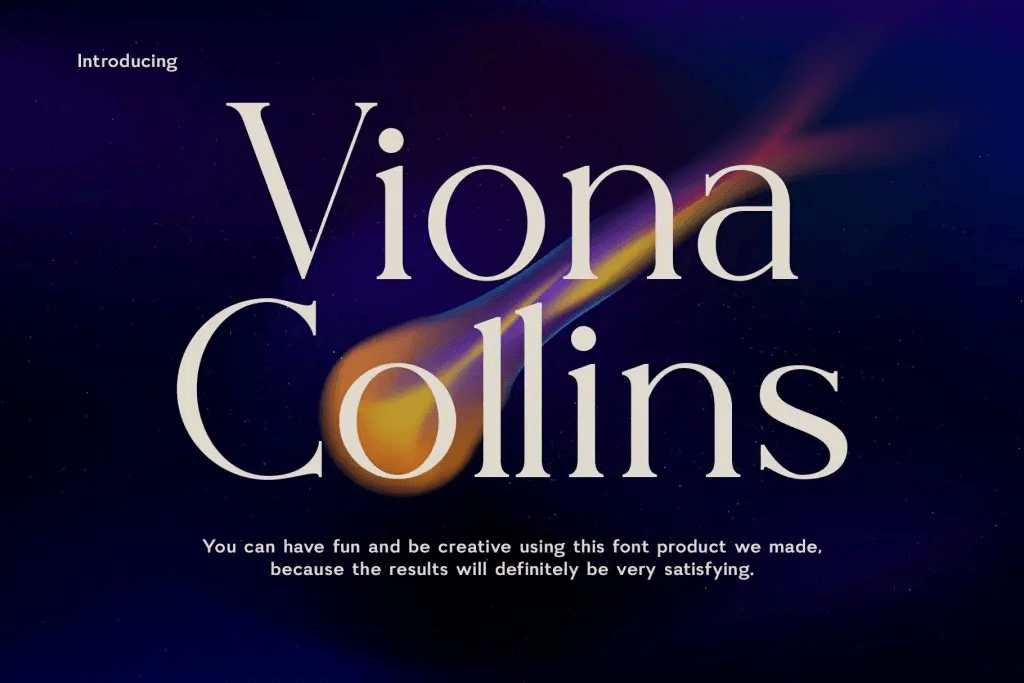
Examples:
Psychological meaning of serif fonts
Serif fonts often represent:
- Trust
- Authority
- Tradition
- Professionalism
Because of this, serif fonts are commonly used by:
- Financial institutions
- Newspapers
- Luxury brands
- Universities
They communicate reliability and credibility.
2. Sans-Serif Fonts: Modern and Clean
Sans-serif fonts remove the decorative strokes and appear more minimal.
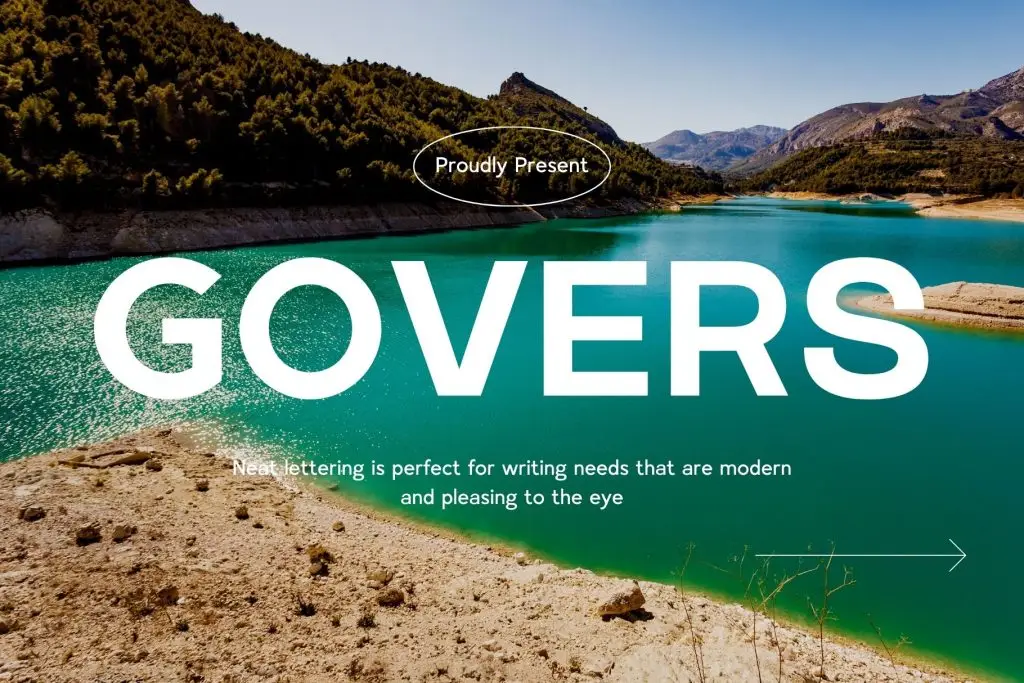
Psychological meaning of sans-serif fonts
Sans-serif fonts often represent:
- Simplicity
- Innovation
- Modernity
- Clarity
Many tech companies and startups use sans-serif fonts because they feel contemporary and digital-friendly.
3. Script Fonts: Personal and Creative
Script fonts mimic handwriting or calligraphy.
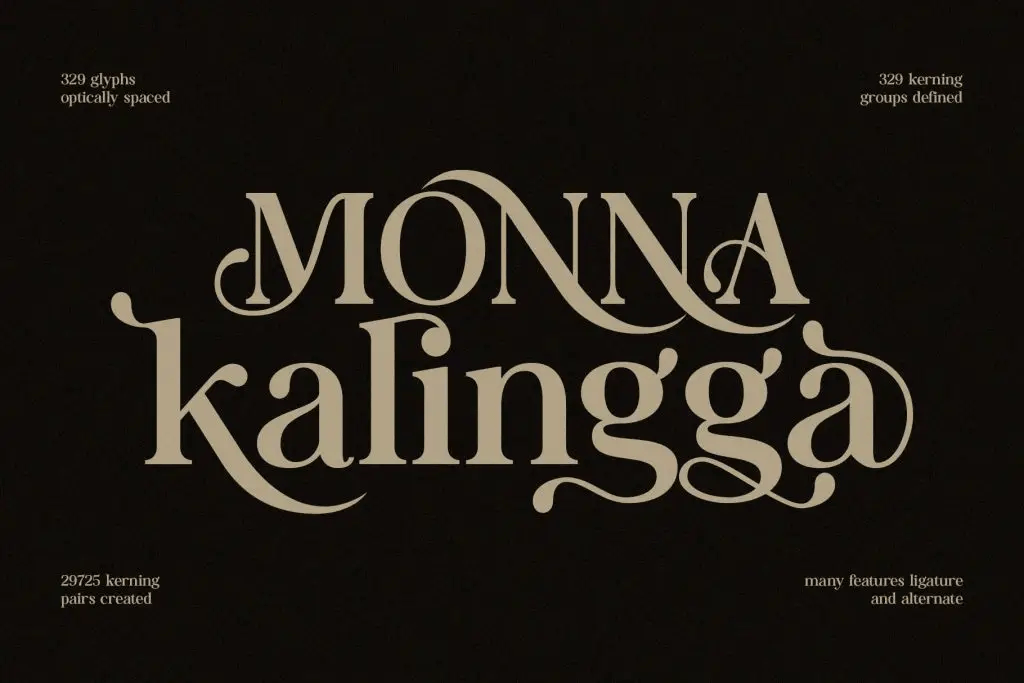
Examples:
Psychological meaning of script fonts
Script fonts often represent:
- Elegance
- Creativity
- Personal connection
- Luxury
They are commonly used in:
- Wedding brands
- Beauty brands
- Fashion brands
However, script fonts should be used carefully because they can reduce readability if overused.
4. Display Fonts: Bold and Unique
Display fonts are designed to stand out and attract attention.
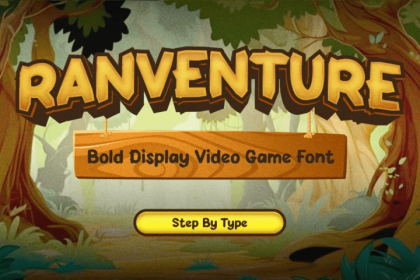
Examples:
Psychological meaning of display fonts
Display fonts often communicate:
- Creativity
- Energy
- Uniqueness
- Strong personality
They are best used for:
- Headlines
- Logos
- Marketing campaigns
Display fonts should rarely be used for long paragraphs.
How Brands Use Font Psychology Strategically
Successful brands carefully choose fonts that align with their message.
Understanding the psychology of fonts in branding helps companies build consistent brand identities.
Building Trust Through Typography
Trust is one of the most important factors in branding.
Brands that want to appear credible often choose fonts that look stable and professional.
Examples include:
- Serif fonts for institutions
- Clean sans-serif fonts for modern businesses
Consistency in typography also strengthens trust.
Creating Emotional Connection
Typography can evoke emotions without words.
For example:
- Rounded fonts feel friendly and approachable.
- Elegant serif fonts feel luxurious.
- Bold fonts feel confident and powerful.
Brands often combine typography with color and layout to reinforce emotional impact.
Strengthening Brand Recognition
Consistent typography helps customers recognize a brand instantly.
Think about well-known brands: their fonts become part of their identity.
A consistent font system across:
- Website
- Social media
- Marketing materials
helps build a strong visual identity.
If you’re building your own typography system, you can explore our curated typeface library here: Font Kingdom’s Pinterest.
Tips for Choosing the Right Branding Fonts
Choosing the right typography requires strategy. Here are several tips to apply the psychology of fonts in branding effectively.
1. Define Your Brand Personality
Start by identifying your brand personality.
Ask questions like:
- Is the brand modern or traditional?
- Is it playful or serious?
- Is it premium or casual?
Your answers will help guide font selection.
2. Limit the Number of Fonts
Professional brands usually use two or three fonts at most.
Example structure:
Primary font → logo and headings
Secondary font → body text
Accent font → highlights or quotes
This structure keeps the design clean and consistent.
3. Ensure Readability
Even if a font looks beautiful, it must remain readable.
Always test typography on:
- Mobile devices
- Desktop screens
- Different screen sizes
Readability is essential for both user experience and SEO.
4. Maintain Consistency Across Platforms
Your typography should remain consistent across all brand touchpoints.
This includes:
- Website
- Social media graphics
- Advertising
- Product packaging
Consistency strengthens brand recognition.
Final Thoughts
The psychology of fonts in branding shows that typography is far more than a design choice. Fonts shape how people perceive a brand, influence emotional responses, and contribute to brand recognition.
By understanding the meaning behind different font styles, businesses can choose typography that aligns with their brand personality and communicates the right message to their audience.
Whether you are designing a logo, building a website, or creating marketing materials, typography should always be a strategic decision.
When used correctly, fonts can transform a brand from ordinary into something memorable and recognizable.
