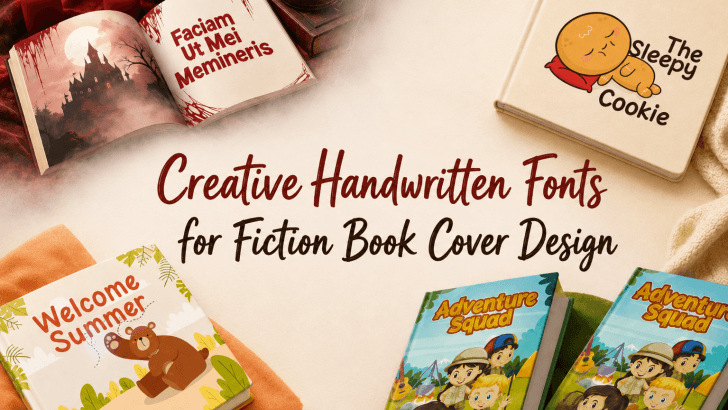
Choosing creative handwritten fonts for fiction book cover design can solve one of the most common challenges faced by authors, publishers, and book cover designers: creating an emotional connection before a reader even opens the book.
A great fiction cover does more than display a title. It communicates genre, mood, personality, and story expectations within seconds. While illustrations and imagery play an important role, typography often becomes the deciding factor that captures attention in crowded bookstores, online marketplaces, and social media feeds.
Handwritten fonts have become increasingly popular in fiction publishing because they bring personality, authenticity, and emotion to a cover. Unlike generic typefaces, handwritten fonts feel human. They help stories appear more immersive, memorable, and unique.
Whether you’re designing a children’s adventure book, a fantasy novel, a mystery thriller, or a horror story, the right handwritten font can strengthen the visual identity of the book and attract the right audience.
In this guide, we’ll explore creative handwritten fonts for fiction book cover design, their ideal use cases, and practical implementation tips.
Why Handwritten Fonts Work for Fiction Covers
Fiction is built on storytelling and emotion. Readers often make purchasing decisions based on first impressions. Before reading the synopsis, they encounter:
- The title
- The cover illustration
- The typography
Handwritten fonts help establish an emotional atmosphere immediately.
They Feel Personal
Handwritten typography creates a sense of authenticity that readers naturally connect with.
Unlike corporate or highly structured fonts, handwritten styles feel:
- Human
- Creative
- Expressive
- Emotional
These qualities align perfectly with fiction storytelling.
They Reinforce Genre Expectations
Different handwritten fonts communicate different moods.
For example:
- Playful handwritten fonts suggest children’s stories.
- Organic handwritten styles fit adventure books.
- Rough handwritten fonts work well for horror and thriller genres.
Typography becomes part of the storytelling process.
They Improve Memorability
Distinctive typography helps a book stand out on crowded digital platforms such as:
- Amazon Kindle
- Goodreads
- Online bookstores
- Social media promotions
A memorable title treatment often improves recognition and recall.
Recommended Handwritten Fonts for Fiction Book Covers
1. Woodzy
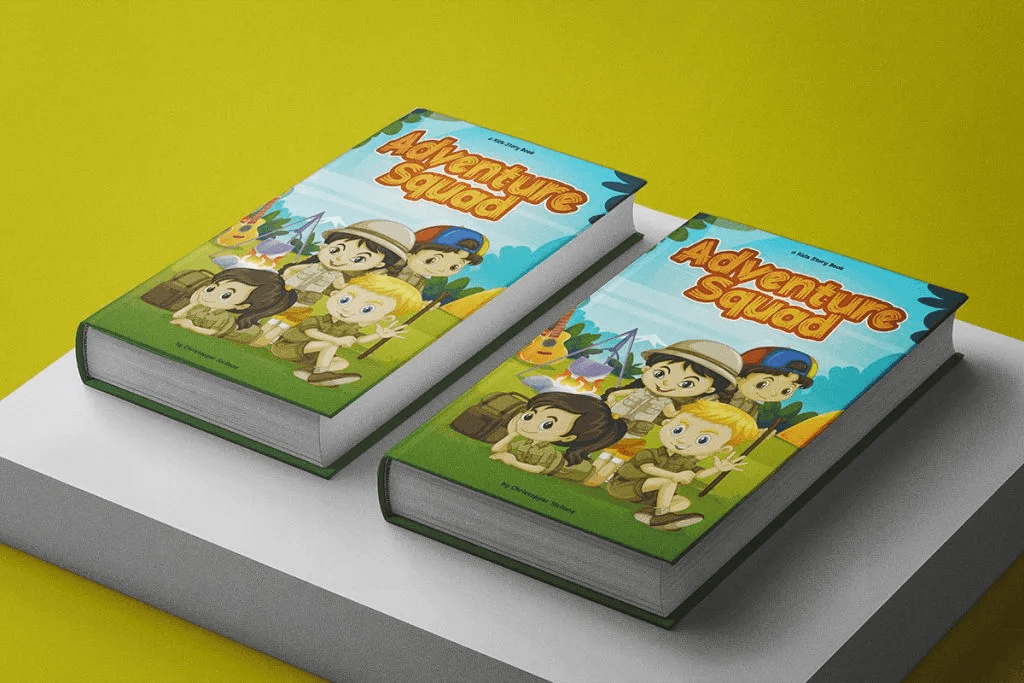
Woodzy offers a playful and adventurous personality that works beautifully for children’s fiction and outdoor-themed stories. The font feels warm, approachable, and imaginative, making it suitable for books centered around exploration, friendship, and discovery.
Best for:
- Children’s adventure books
- Camping stories
- Educational storybooks
2. Floomie
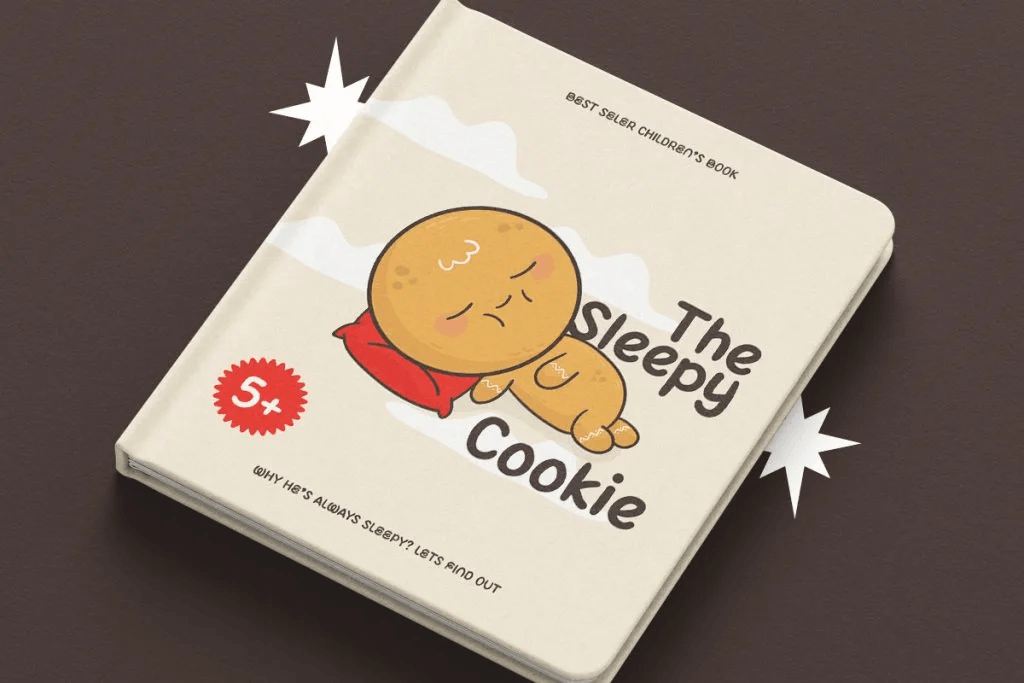
Floomie delivers a cheerful handwritten style with soft curves and friendly character shapes. Its playful appearance helps create an inviting atmosphere that appeals to younger audiences.
Best for:
- Early reader fiction
- Bedtime stories
- Character-driven storytelling
3. Joylet
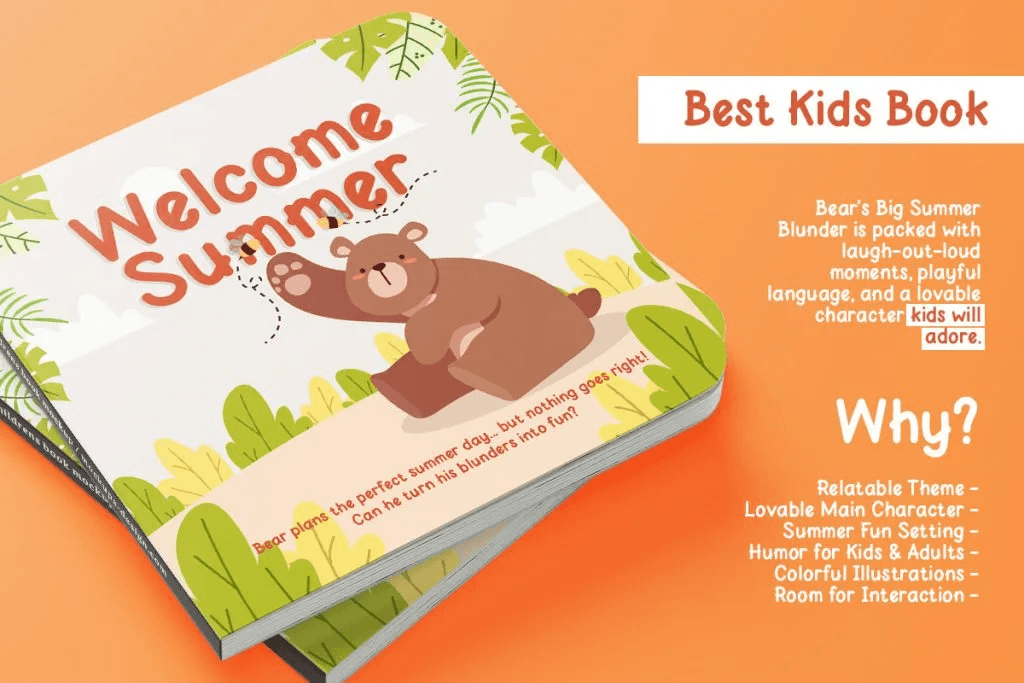
Joylet combines energy and fun with strong readability. The font creates excitement without overwhelming the cover design, making it a versatile option for youth-oriented fiction.
Best for:
- Summer adventure stories
- School-themed books
- Lighthearted fantasy
4. Freakdrip
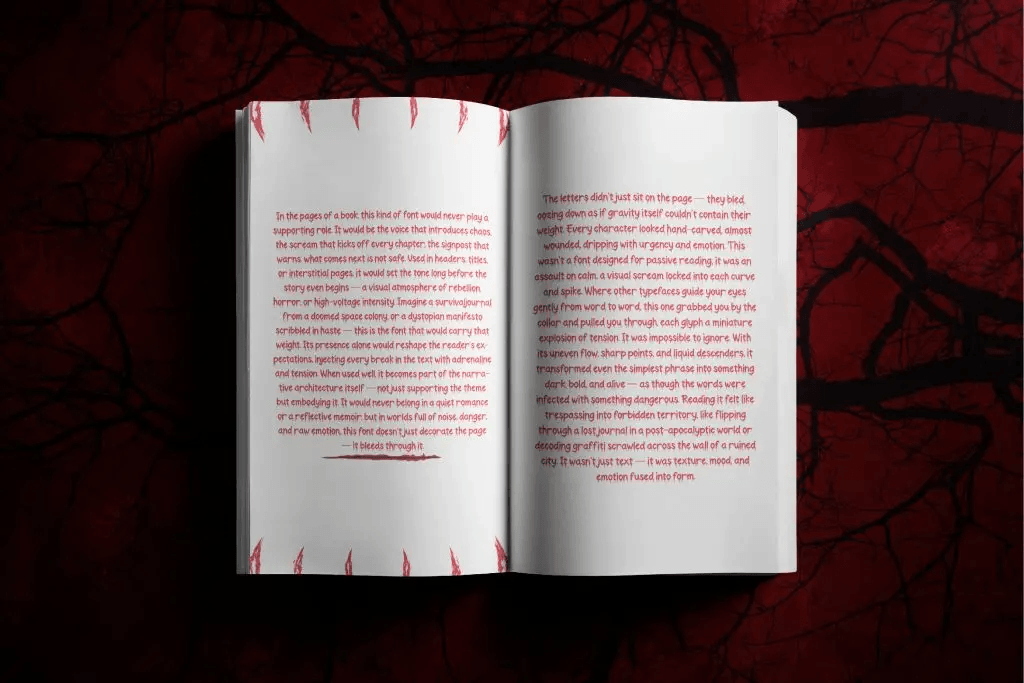
Freakdrip introduces dramatic handwritten styling designed to create tension and intrigue. Its irregular character shapes instantly communicate mystery and suspense.
Best for:
- Horror novels
- Dark fantasy
- Halloween-themed stories
5. Blood Melt

Blood Melt is designed for maximum horror impact. Inspired by classic horror aesthetics, it creates a chilling visual presence that immediately signals danger and suspense.
Best for:
- Horror anthologies
- Supernatural thrillers
- Dark suspense novels
Best Use Cases
Different fiction genres require different typography approaches. Choosing the right handwritten font depends on the story’s tone and audience.
Children’s Books
Children’s book covers benefit from fonts that feel:
- Friendly
- Fun
- Easy to read
- Playful
Woodzy, Floomie, and Joylet excel in this category because they create warmth and excitement. These fonts work especially well when combined with colorful illustrations and character-focused artwork.
Adventure Fiction
Adventure stories require typography that communicates movement and exploration.
Handwritten fonts with energetic strokes help reinforce themes such as:
- Discovery
- Travel
- Friendship
- Outdoor experiences
Woodzy and Joylet are excellent choices for these projects.
Fantasy Stories
Fantasy books often rely on typography to establish a sense of wonder. Handwritten fonts can help create magical and imaginative atmospheres while maintaining readability.
Horror and Thriller Books
Horror covers often use typography as a primary storytelling element.
Readers expect visual cues that communicate:
- Fear
- Suspense
- Danger
- Mystery
Freakdrip and Blood Melt immediately establish these emotions through their distinctive character designs.
Social Media Book Promotion
Book marketing increasingly happens online.
Handwritten fonts perform particularly well in:
- Instagram graphics
- Book launch announcements
- Author marketing materials
- Reader community content
Their expressive nature helps content stand out in crowded feeds.
Tips for Implementation
Selecting a handwritten font is only the first step. Proper implementation ensures the typography enhances the cover rather than distracting from it.
Match the Font to the Genre
Always consider reader expectations. A playful children’s font may feel inappropriate on a horror novel, just as a horror-inspired font would confuse readers of a bedtime story. The typography should immediately communicate the genre.
Prioritize Readability
Even highly creative fonts must remain readable. Remember that many readers first encounter books as small thumbnails online. Test your typography at multiple sizes to ensure the title remains clear.
Create Strong Contrast
Typography should stand out against the cover artwork.
Consider:
- Light text on dark backgrounds
- Dark text on light backgrounds
- Shadow effects
- Color overlays
Good contrast improves visibility and professionalism.
Use Supporting Fonts Carefully
Most successful fiction covers combine:
- One display font for the title
- One supporting font for author name and subtitle
Avoid mixing too many decorative fonts in a single design.
Let the Artwork and Typography Work Together
Typography should complement the illustration rather than compete with it.
The strongest book covers create visual harmony between:
- Title
- Imagery
- Color palette
- Layout
When these elements support one another, the cover becomes more memorable.
Interested in learning more about handwritten typography?
Read “The Comeback of Handwritten Fonts in Modern Design” to discover why handwritten styles are becoming increasingly popular across branding, publishing, and digital media.
You can also explore “Handwritten Fonts: When and How to Use Them in Graphic Design” for practical advice on selecting and applying handwritten fonts effectively in creative projects.
Conclusion
Using creative handwritten fonts for fiction book cover design is one of the most effective ways to strengthen storytelling and capture reader attention. Typography helps establish genre expectations, communicate mood, and create emotional connections before a single page is read.
Fonts such as Woodzy, Floomie, and Joylet bring warmth and imagination to children’s and adventure stories, while Freakdrip and Blood Melt deliver the suspense and drama needed for horror and thriller genres.
By matching typography to the story, prioritizing readability, and creating harmony with the cover artwork, designers can create fiction covers that feel memorable, professional, and emotionally engaging. The right handwritten font doesn’t just display a title; it becomes part of the story itself.
