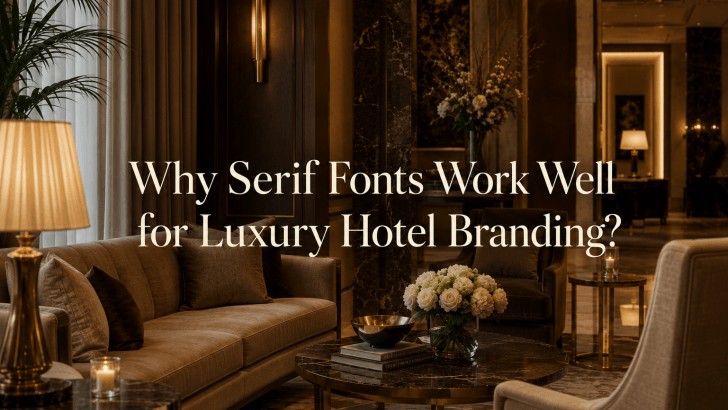
Understanding why serif fonts work well for luxury hotel branding is essential for hospitality businesses that want to create a premium and memorable brand identity. In the luxury hotel industry, first impressions matter. Before guests experience the service, step into a lobby, or book a suite, they interact with branding elements such as logos, websites, brochures, advertisements, and social media content.
Typography plays a major role in shaping these first impressions. While there are many font styles available, serif fonts continue to dominate luxury hospitality branding because they communicate qualities that high-end travelers value: elegance, trust, exclusivity, and timeless sophistication.
From iconic luxury resorts to boutique hotels and five-star destinations, serif typography remains one of the most effective tools for building a premium visual identity. In this article, we’ll explore why serif fonts are so closely associated with luxury hospitality and how they help hotels create stronger brands.
What Are Serif Fonts?
Before discussing their role in hospitality branding, it’s important to understand what serif fonts are. A serif font contains small decorative strokes or extensions at the ends of letterforms. These subtle details distinguish serif typefaces from sans-serif fonts, which have a cleaner and more minimalist appearance.
Popular characteristics of serif fonts include:
- Refined letterforms
- Traditional aesthetics
- Strong readability
- Elegant proportions
- Timeless design
These features make serif typography particularly effective in industries where trust, prestige, and quality are important.
The Connection Between Serif Fonts and Luxury
Luxury branding relies heavily on perception. Customers often make assumptions about quality before experiencing a product or service. Typography influences these assumptions more than many businesses realize.
Serif Fonts Communicate Heritage
One reason luxury brands favor serif typography is its association with tradition and history.
Serif typefaces have been used for centuries in:
- Publishing
- Editorial design
- Literature
- Luxury branding
- High-end advertising
This long history creates a subconscious connection between serif fonts and established quality. For luxury hotels, this perception is valuable because guests often associate heritage with reliability and prestige.
Serif Fonts Suggest Sophistication
Luxury travelers seek experiences that feel elevated and exclusive.
Serif typography naturally conveys sophistication through:
- Elegant proportions
- Delicate details
- Refined letterforms
Even simple serif fonts often appear more premium than generic alternatives.
Serif Fonts Create Emotional Value
Luxury hospitality is not just about functionality.
Guests are purchasing:
- Experiences
- Comfort
- Prestige
- Memories
Typography contributes to the emotional atmosphere surrounding a brand. A carefully chosen serif font can help communicate the sense of refinement that luxury travelers expect.
Why Luxury Hotels Prefer Serif Typography
Many of the world’s most recognizable luxury brands use serif typography. The hospitality industry follows the same principle.
1. Creates a Premium First Impression
Visitors often form opinions about a hotel within seconds of seeing its branding.
Serif fonts immediately communicate:
- Quality
- Elegance
- Professionalism
- Exclusivity
This first impression can significantly influence booking decisions.
2. Supports Luxury Positioning
Typography helps reinforce a hotel’s market position.
A luxury hotel must appear distinct from:
- Budget accommodations
- Mid-range chains
- Casual hospitality brands
Serif typography helps establish that distinction.
3. Enhances Brand Storytelling
Luxury hotels often promote unique stories about:
- Heritage
- Architecture
- Local culture
- Exceptional service
Serif fonts support these narratives because they feel authentic and timeless.
Serif Fonts and Hotel Logos
One of the most common applications of serif typography in hospitality branding is logo design.
Why Serif Logos Feel Luxurious
Luxury hotel logos are often intentionally understated. Rather than relying on complex graphics, many premium brands use typography-driven logos.
Serif fonts work well because they:
- Feel timeless
- Remain readable
- Scale effectively
- Communicate sophistication
This allows the brand name itself to become a powerful visual asset.
Balancing Simplicity and Elegance
The most successful luxury logos often avoid excessive decoration.
Instead, they rely on:
- Excellent spacing
- Elegant proportions
- Refined typography
Serif fonts provide these qualities naturally.
Serif Fonts on Hotel Websites
Typography becomes even more important on hotel websites. A website serves as a digital extension of the guest experience.
Establishing Mood Through Typography
Luxury websites must create an emotional atmosphere.
Serif fonts help communicate:
- Relaxation
- Comfort
- Exclusivity
- Sophistication
These emotions support the overall hospitality experience.
Improving Content Presentation
Luxury hotel websites often include:
- Room descriptions
- Dining information
- Spa services
- Destination guides
- Brand stories
Serif typography helps organize and present this content elegantly.
Creating Visual Hierarchy
Websites require clear navigation and information structure.
Serif fonts work exceptionally well for:
- Headlines
- Hero sections
- Section titles
- Promotional messaging
They naturally create hierarchy without overwhelming the design.
Serif Fonts in Hospitality Marketing Materials
Luxury branding extends beyond logos and websites. Typography should remain consistent across every guest touchpoint.
Printed Brochures
High-end hotels frequently use printed materials to showcase:
- Accommodations
- Amenities
- Event spaces
- Destination experiences
Serif typography helps these materials feel more premium.
Advertising Campaigns
Luxury hospitality advertising often relies on emotional storytelling.
Serif fonts reinforce the aspirational qualities of:
- Resort promotions
- Spa campaigns
- Seasonal offers
- Destination marketing
Social Media Branding
Even on modern platforms, serif typography remains highly effective. When paired with high-quality photography, serif fonts create visually sophisticated social content.
Serif Fonts vs. Sans-Serif Fonts in Hospitality
Both serif and sans-serif fonts have value in hospitality branding. However, they communicate different messages.
Serif Fonts
Often associated with:
- Luxury
- Heritage
- Elegance
- Prestige
- Exclusivity
Sans-Serif Fonts
Often associated with:
- Modernity
- Simplicity
- Efficiency
- Contemporary design
Many luxury hotel brands combine both styles.
A common approach is:
- Serif fonts for headlines and branding
- Sans-serif fonts for body text and navigation
This creates balance between elegance and usability.
Related Articles You Must Read
Start with “What Is a Serif Font? History, Features, and Examples” to understand why serif typography feels classic and elegant. Then read “Sans Serif Fonts: Complete Guide for Modern Designers” to see how clean fonts create a modern look.
For hospitality branding inspiration, explore “Luxury Hotel Fonts for Premium Hospitality Branding.” This article helps you choose fonts that feel premium, trustworthy, and suitable for luxury hotels.
Conclusion
Understanding why serif fonts work well for luxury hotel branding helps explain why they remain a favorite choice among premium hospitality brands worldwide. Serif typography communicates heritage, elegance, trust, and exclusivity, qualities that align perfectly with luxury guest expectations.
From logos and websites to brochures and advertising campaigns, serif fonts help create a consistent visual identity that strengthens brand perception and enhances the guest experience. Their timeless appeal and sophisticated character make them one of the most effective typography styles for luxury hospitality branding.
