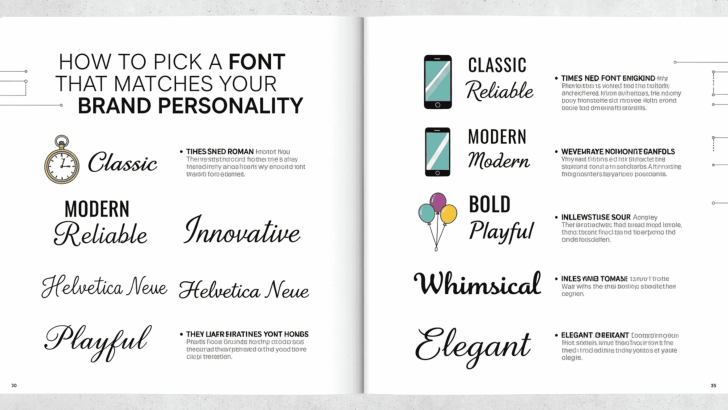
Choosing the right font is one of the most important steps in building a strong brand identity. Typography is not just about aesthetics; it communicates your brand’s tone, personality, and values before people even read your message.
When someone sees your logo, website, or marketing material, the font you use creates an immediate impression. A modern font might suggest innovation, while a classic serif font may communicate trust and tradition.
This is why understanding how to pick a font that matches your brand personality is essential for designers, entrepreneurs, and marketers. In this guide, you will learn the psychology of fonts, how typography reflects brand identity, and practical steps to choose the right font for your brand.
Why Fonts Matter in Branding
Fonts play a powerful role in shaping how people perceive your brand. Typography is a visual language that expresses personality, emotion, and credibility.
For example, a luxury fashion brand will likely use elegant serif typography, while a technology startup might choose a minimal sans-serif font. These choices help audiences instantly understand the brand’s identity.
Fonts can influence how your audience feels about your business. They communicate whether your brand is:
- Professional
- Friendly
- Innovative
- Traditional
- Creative
When typography aligns with your brand values, it strengthens recognition and builds trust with your audience.
Understanding Brand Personality
Before choosing a font, you must clearly define your brand personality.
Brand personality refers to the human traits associated with your brand. Just like people, brands can feel energetic, elegant, playful, or serious.
Ask yourself these questions:
- Is your brand modern or traditional?
- Is it formal or casual?
- Is it playful or professional?
- Is it luxurious or minimal?
Once you understand your brand personality, it becomes much easier to choose typography that reflects those traits.
Types of Fonts and Their Personalities
Sans-Serif Fonts: Modern and Clean
Sans-serif fonts remove the decorative strokes found in serif fonts, creating a clean, minimalist look.
These fonts often communicate:
- Modernity
- Simplicity
- Innovation
- Clarity
Many tech companies and startups use sans-serif typography because it looks modern and readable on digital screens.
Examples: Beatrice, Fagheto, Gafhote.
Script Fonts: Elegant and Creative
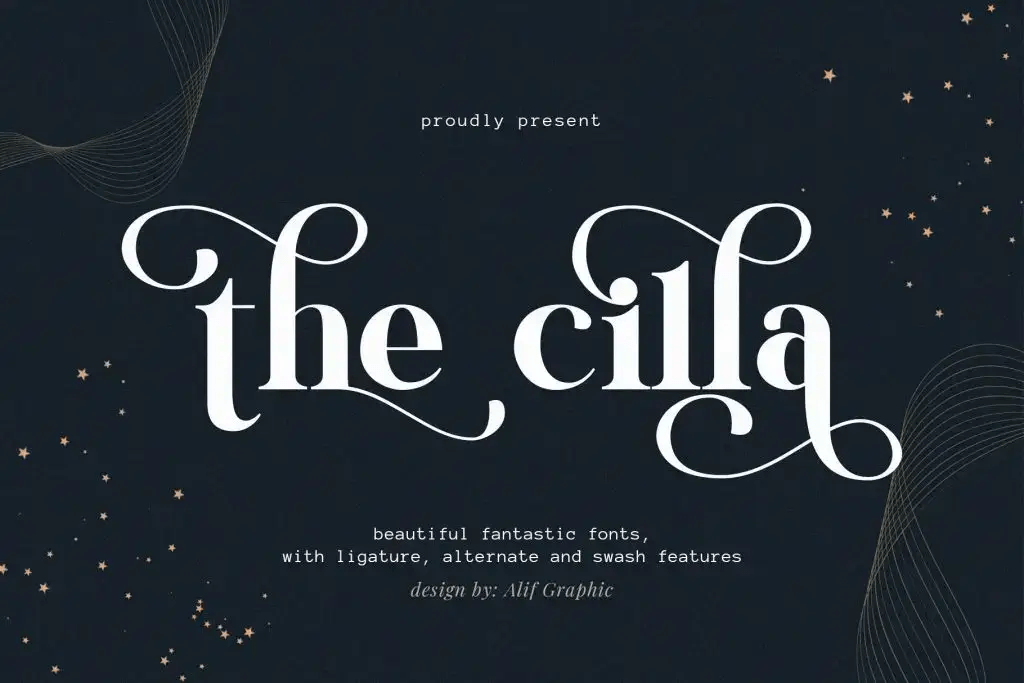
Script fonts mimic handwriting or calligraphy. They often convey elegance, creativity, and personality.
Script fonts are commonly used for:
- Wedding brands
- Beauty products
- Creative businesses
- Personal brands
However, designers should use script fonts carefully, as they can be difficult to read in long paragraphs.
Serif Fonts: Traditional and Trustworthy
Serif fonts include small decorative strokes at the ends of letters. They are often associated with tradition, authority, and reliability.
Common characteristics:
- Classic and elegant
- Professional and authoritative
- Trustworthy and stable
Serif fonts work well for brands such as:
- Law firms
- Financial companies
- Universities
- Luxury brands
Examples: Aeloria, Fishera, Vacation.
Display Fonts: Bold and Unique

Display fonts are designed to grab attention. They are highly decorative and often used for headlines, logos, or posters.
They communicate:
- Creativity
- Bold personality
- Strong visual identity
It’s best to use display fonts sparingly, as too much embellishment can reduce readability.
Steps to Pick a Font That Matches Your Brand Personality
Choosing the right font requires more than just picking something that looks nice. Follow these practical steps to make a strategic typography decision.
1. Define Your Brand Identity
The first step is understanding what your brand stands for.
Think about your brand’s:
- Purpose
- Target audience
- Core values
- Emotional tone
Typography should visually communicate these elements. When fonts match brand values, they create a consistent visual identity that resonates with audiences.
2. Understand Your Audience
Your font choice should appeal to the people you want to reach.
For example:
- Luxury customers expect elegant typography
- Young audiences prefer modern and playful fonts
- Corporate audiences trust professional typography
Understanding your audience helps you select a font style that feels familiar and appropriate.
3. Limit Your Font Choices
Many designers recommend using two to three font families for a brand.
Typical typography structure includes:
- Primary font (logo or headlines)
- Secondary font (subtitles)
- Body font (paragraph text)
Using too many fonts can make your design look inconsistent and confusing.
4. Focus on Readability
Even the most beautiful font is useless if people cannot read it. Always prioritize clarity, especially for body text and digital platforms.
Good typography should:
- Be easy to read on screens
- Work at different sizes
- Maintain clarity in both print and digital formats
5. Pair Fonts Strategically
Font pairing is an essential skill in branding design.
A common technique is combining contrasting styles, such as:
- Serif headline + sans-serif body text
- Script headline + simple sans-serif paragraph
This creates visual balance and hierarchy in your design.
6. Test Your Fonts Across Platforms
Your brand font should work consistently across multiple platforms, including:
- Websites
- Social media
- Packaging
- Advertising materials
- Mobile screens
Testing typography ensures that your brand looks consistent everywhere.
Conclusion
Choosing the right typography is essential for building a strong and memorable brand identity. Fonts communicate emotion, personality, and credibility before a customer even reads your message.
Understanding font psychology, identifying your brand personality, and applying good typography practices will help you select fonts that strengthen your brand image.
When you carefully pick a font that matches your brand personality, you create a consistent visual identity that makes your brand recognizable and trustworthy.
Typography is more than design; it is a powerful storytelling tool that shapes how your audience sees your brand.
