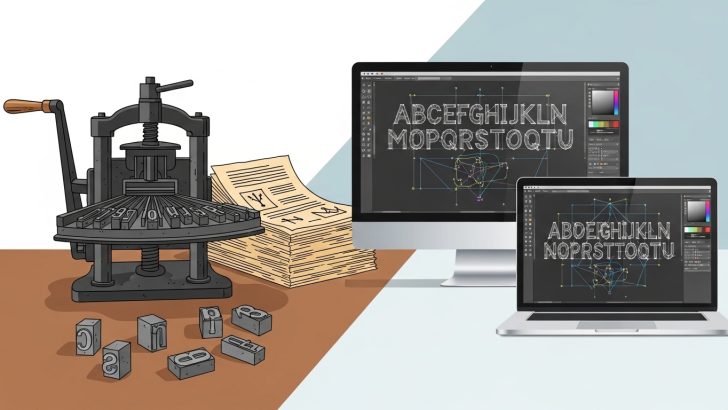
Graphic design history tells the story of how visual communication evolved through centuries of technology, creativity, and cultural change. From the invention of the printing press to modern digital typography, graphic design has continuously transformed the way information is shared.
Today, graphic design influences nearly every aspect of visual culture, including branding, advertising, web design, and social media. However, the foundations of modern graphic design began long before computers existed.
Understanding graphic design history helps designers appreciate how typography, printing technology, and artistic movements shaped the visual communication we see today.
The Early Origins of Graphic Design History
Before modern printing technology, communication relied heavily on manuscripts and illustrations. Early forms of visual design were created by scribes who carefully copied texts and decorated pages with ornamental lettering.
These manuscripts often included decorative initials, illustrations, and carefully structured layouts. While they were not called graphic design at the time, these early visual communication methods laid the foundation for modern design practices.
The real transformation in graphic design history began during the 15th century with a groundbreaking invention.
Gutenberg and the Printing Revolution
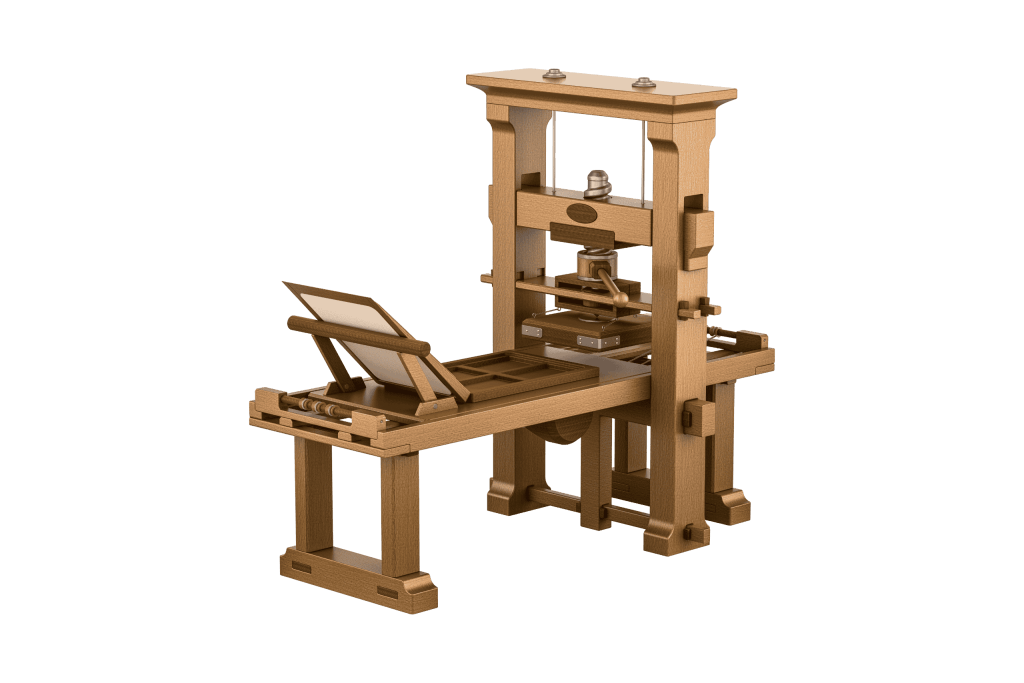
One of the most important milestones in graphic design history was the invention of the printing press by Johannes Gutenberg in the mid-1400s. Gutenberg’s printing technology allowed books to be produced faster and more consistently than manuscripts. His famous Gutenberg Bible is the first mass-produced printed book.
The Impact of Movable Type
Gutenberg introduced movable metal type, which allowed individual letters to be rearranged and reused. This innovation revolutionized typography and book production. For the first time, printed materials could be produced in large quantities, making knowledge more accessible to the public.
Typography Becomes a Design Element
As printing spread across Europe, printers began experimenting with different typefaces, page layouts, and decorative elements. Typography gradually became an important visual element rather than just a functional tool.
This shift marked an important stage in graphic design history.
The Rise of Typography and Print Design
During the Renaissance and later centuries, typography continued to evolve. Designers and printers began developing more refined typefaces and layout techniques.
Serif Typefaces and Classical Influence
Early printers often designed typefaces inspired by Roman inscriptions and classical manuscripts. These typefaces later became known as serif fonts. Serif fonts were widely used in books, newspapers, and official publications because of their readability and elegant appearance.
The Birth of Graphic Layout
During the 18th and 19th centuries, printed posters, newspapers, and advertisements became more common. Designers started experimenting with:
- Typography hierarchy
- Bold headlines
- Visual balance
- Structured layouts
These developments helped shape the early foundations of modern graphic design.
The Industrial Revolution and Graphic Design
The Industrial Revolution dramatically reshaped the history of graphic design by increasing demand for advertising and printed communication.
Mass production allowed businesses to promote products through posters, packaging, and advertisements.
New Display Typography
During this time, designers created new display typefaces that were larger and more decorative. These fonts were designed to capture attention in posters and advertisements. Bold typography became a powerful marketing tool.
Lithography and Color Printing
New printing technologies, such as lithography, facilitated the production of colorful posters and illustrated advertisements.
This period saw the emergence of more expressive design styles that combined typography, illustration, and color.
Modern Design Movements in Graphic Design History
The 20th century introduced several design movements that reshaped graphic design. These movements influenced typography, layout, and visual communication principles that designers still use today.
Bauhaus and Functional Design
The Bauhaus movement in Germany emphasized simplicity, functionality, and geometric forms. Designers focused on clarity and minimalism, rejecting overly decorative styles. Bauhaus principles helped popularize modern sans-serif typography, which remains widely used in contemporary design.
Swiss Design and Typography Grids
Swiss design, also known as the International Typographic Style, introduced structured grid systems and clean layouts.
This movement emphasized:
- Readability
- Typography hierarchy
- Minimal color palettes
- Structured composition
Swiss design principles still influence modern web and branding design.
The Digital Revolution in Graphic Design History
The most significant transformation in graphic design history occurred with the advent of computers and digital design tools.
In the late 20th century, personal computers enabled designers to create visual content digitally rather than rely on traditional printing methods.
Desktop Publishing
Software such as Adobe Illustrator and Adobe Photoshop revolutionized the design industry. Designers could now experiment with typography, color, and layouts much more quickly.
The Rise of Digital Fonts
Digital technology also transformed typography. Instead of physical metal type, fonts became digital files that could be used across multiple platforms.
This allowed designers to access thousands of fonts and experiment with different typography styles.
Graphic Design History in the Modern Digital Era
Today, graphic design continues to evolve alongside technology. Modern design relies heavily on digital typography for websites, branding, social media graphics, and user interface design.
Web Typography
Typography plays a major role in website design. Fonts influence readability, brand personality, and user experience. Designers must carefully select fonts that perform well across different devices and screen sizes.
Social Media and Branding
Social media has become one of the most important platforms for visual communication. Designers use typography to create engaging graphics for Instagram, TikTok, YouTube thumbnails, and digital advertising.
Where Designers Find Modern Digital Fonts
As digital design continues to grow, designers need access to high-quality fonts for branding and visual communication. Many designers explore professional font libraries to find typography that fits their projects.
You can explore modern typography collections here:
Explore modern fonts for design projects:
https://fontkingdom.com/
These resources help designers discover creative fonts suitable for branding, social media design, and digital marketing.
Conclusion
Graphic design history shows how visual communication evolved from manuscripts to modern digital typography.
The invention of the printing press by Gutenberg revolutionized publishing, while later innovations in typography, printing technology, and digital tools shaped the modern design industry.
Today, graphic designers rely on digital fonts, design software, and modern design principles to create powerful visual communication.
By understanding graphic design history, designers gain valuable insight into the foundations of typography and the creative processes that continue to influence modern design.
